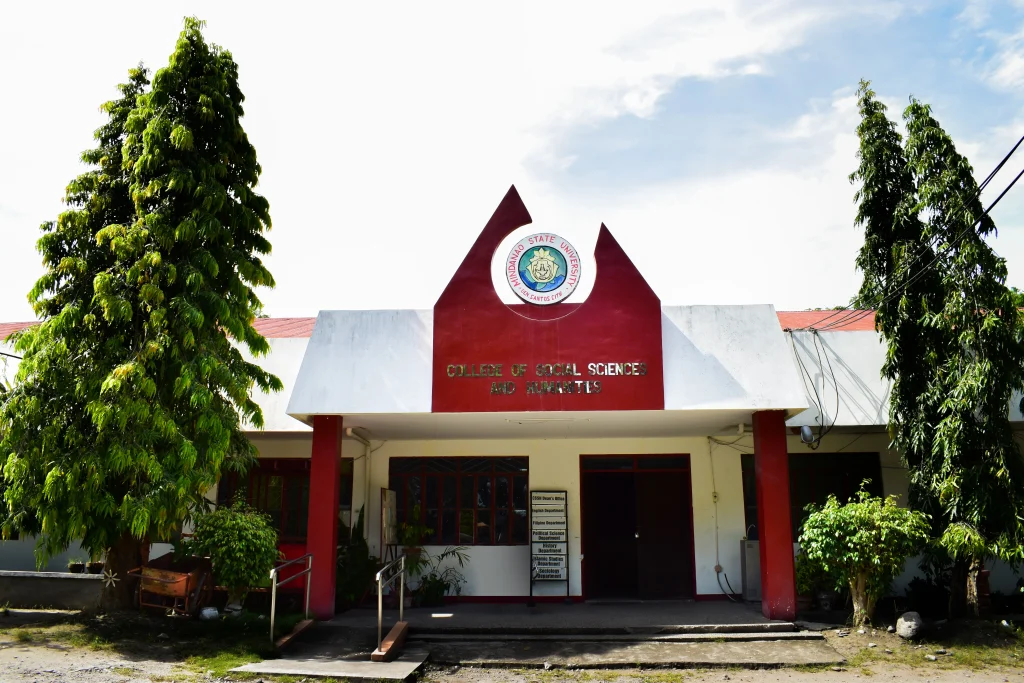
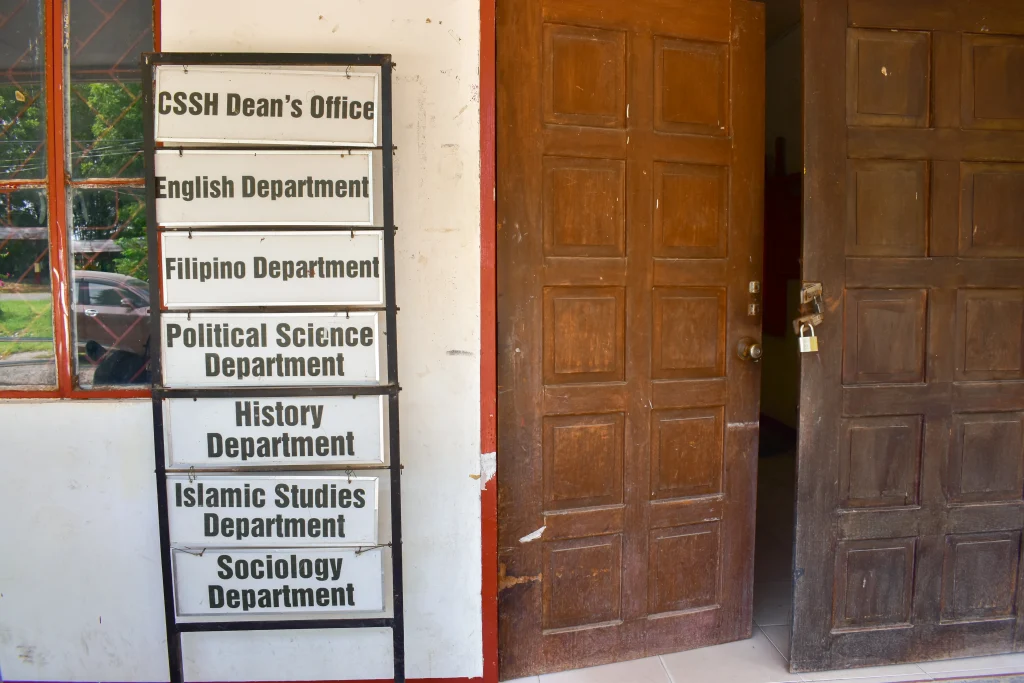
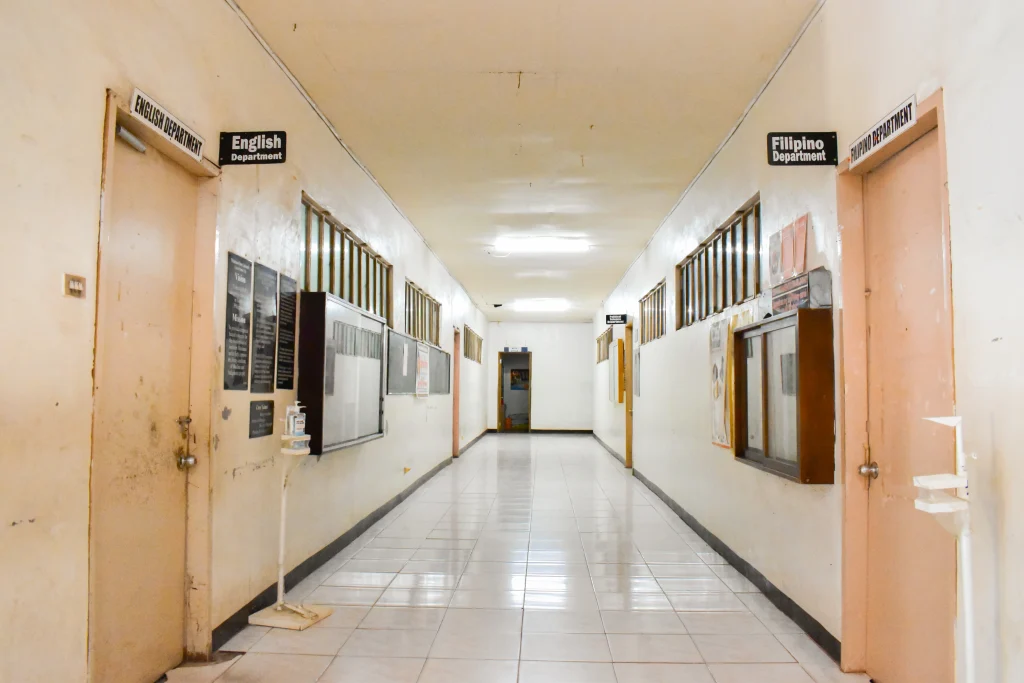
College of Social Sciences and Humanities


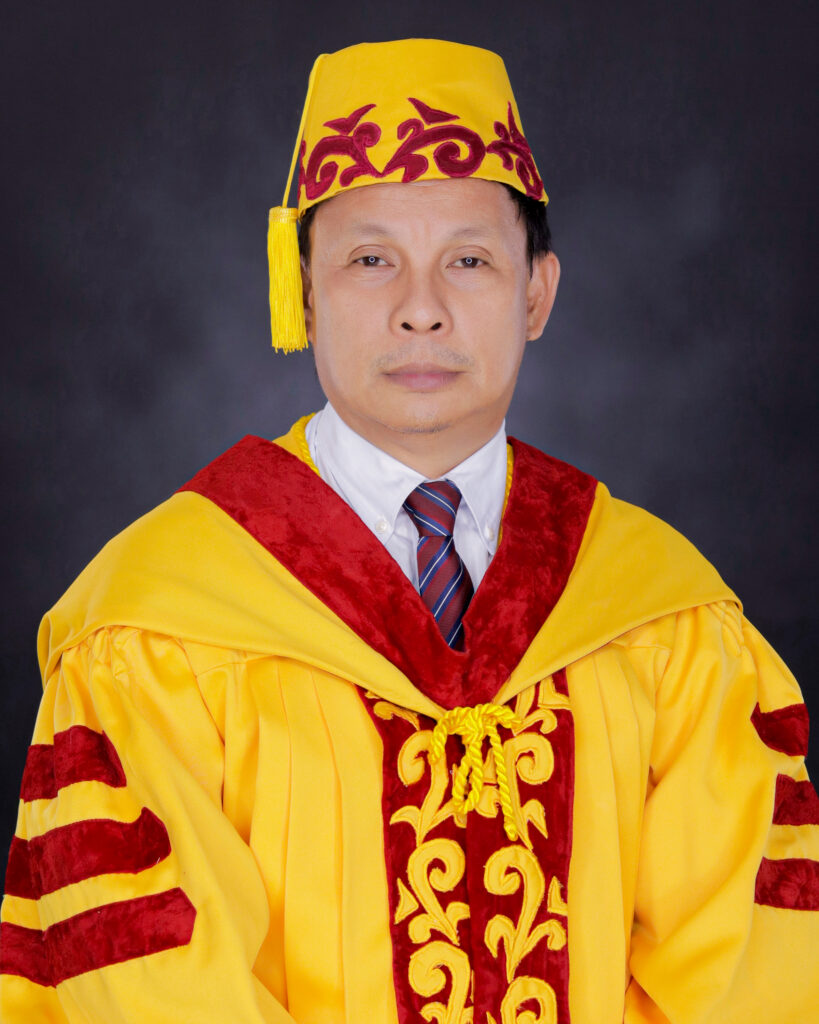
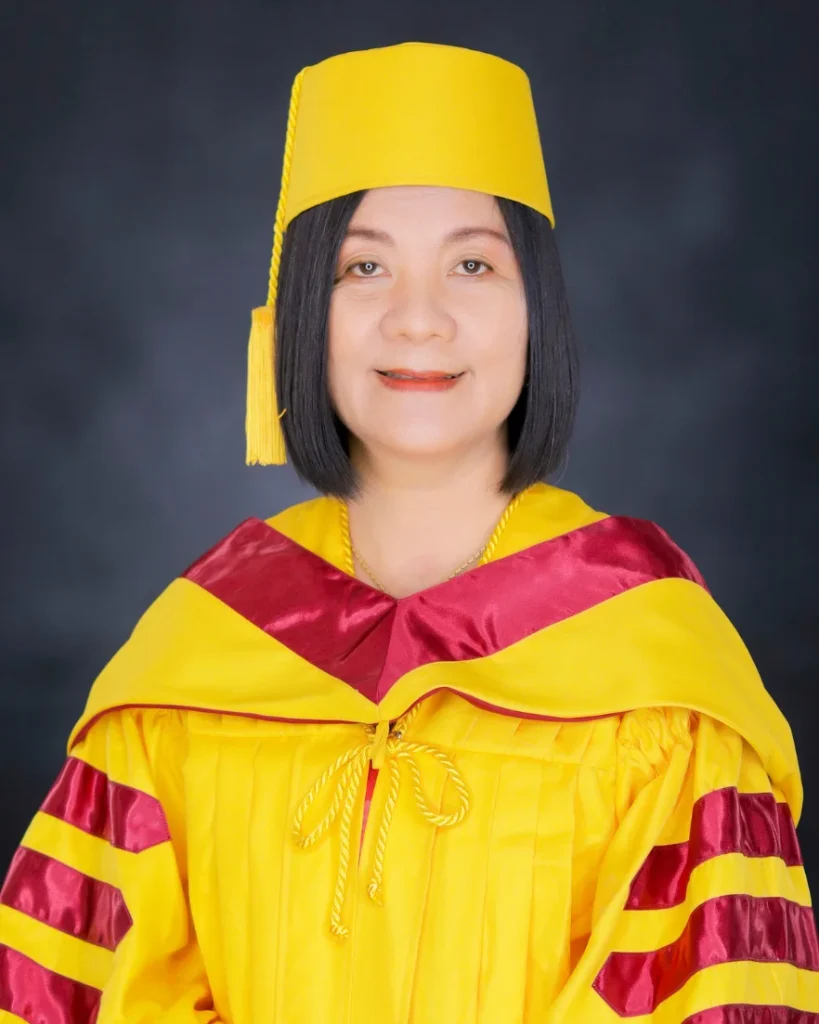
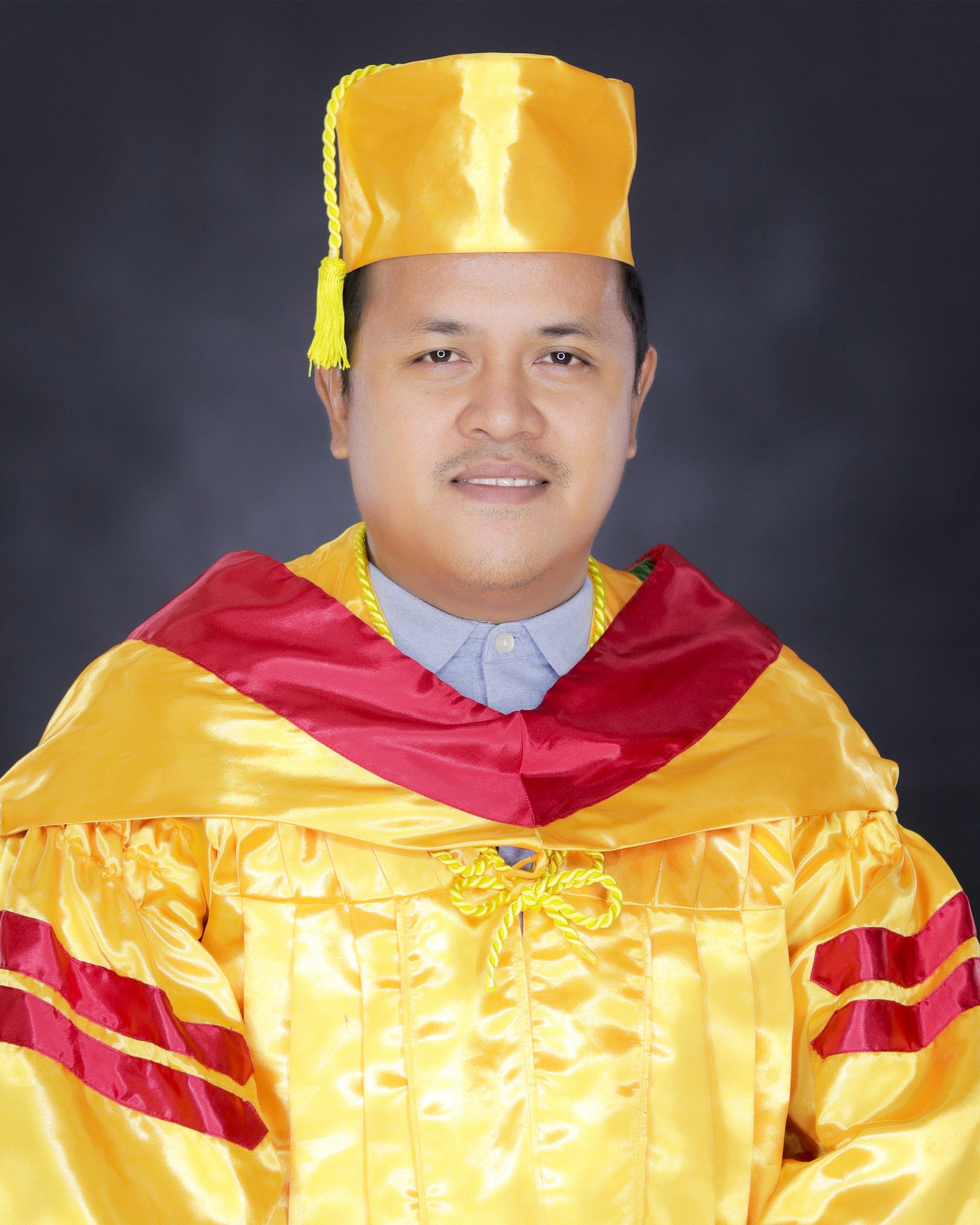
Assistant Dean


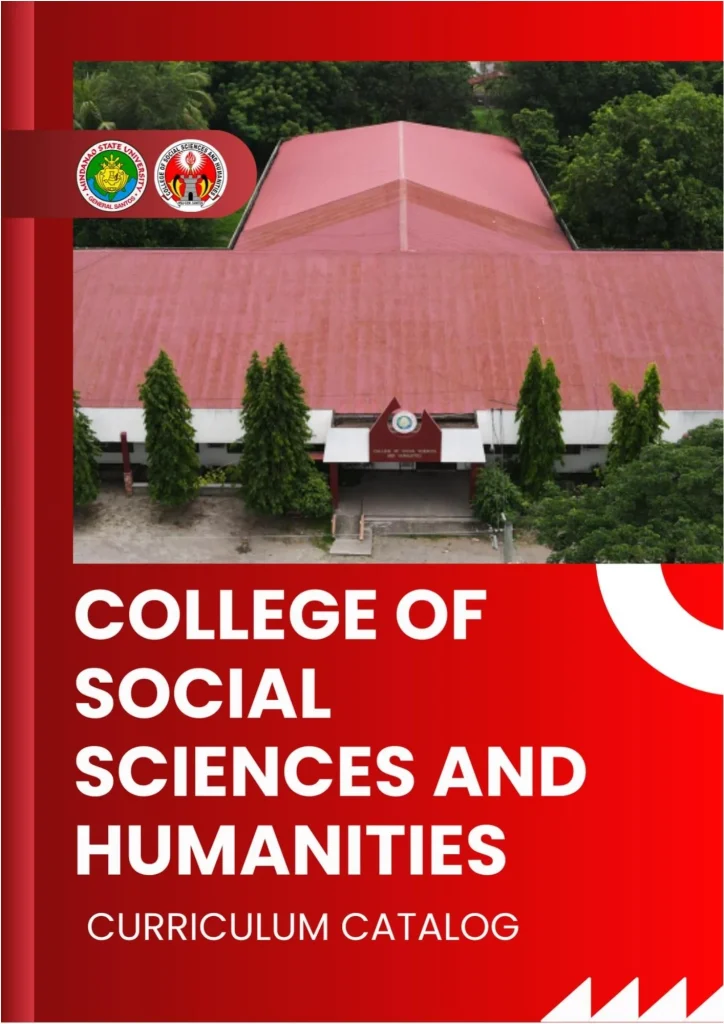
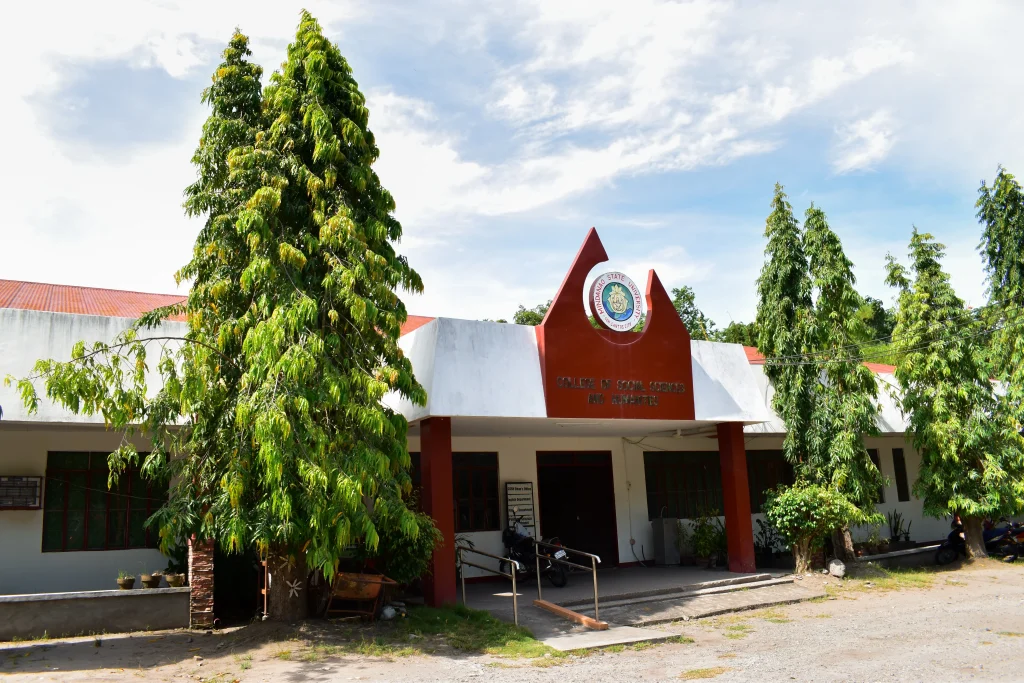
The College of Social Sciences and Humanities serves as one of the university’s academic institutions dedicated to the advancement of knowledge, critical thinking, and social awareness through instruction, research, and community engagement in the fields of social sciences and humanities. The college aims to develop competent, ethical, and socially responsive individuals who are equipped with a deep understanding of human behavior, culture, society, communication, and history in a diverse and evolving global landscape.
More specifically, the college offers academic programs and learning opportunities that promote interdisciplinary perspectives, analytical thinking, cultural appreciation, and effective communication. It facilitates research initiatives, extension programs, and scholarly activities that address social issues, promote cultural understanding, and contribute to nation-building and community development. The college also supports faculty and student development through academic collaborations, seminars, trainings, and community-based engagements that strengthen intellectual growth, leadership, and civic responsibility. Furthermore, it upholds the university’s commitment to academic excellence, inclusivity, and transformative education by fostering humanistic values and socially relevant learning experiences.


The Bachelor of Arts in English Language Studies is an undergraduate program designed to develop students’ competence in the study, use, and analysis of the English language in various contexts. It focuses on the structure, functions, and applications of English in academic, professional, and global settings. The program equips learners with advanced communication, critical thinking, and research skills essential for careers in education, media, business, and other language-related fields. Graduates are prepared to become effective language specialists, educators, researchers, and communicators capable of contributing to linguistic and cultural development.
Ang Bachelor of Arts sa Filipino ay isang degree na nakatuon sa Wikang Filipino na ginagamit sa iba’t ibang disiplina. Dahil sa pagpapatupad ng CHED Memorandum Order No. 57, s. 2017, kailangan ng 9 yunit ng Filipino para sa lahat ng kurso sa Social Sciences, Humanities, at Communication at 6 yunit naman para sa ibang mga kurso. Kasama rin sa curriculum ang mga kinakailangang kahingian ng CHED Memorandum Order No. 22, s. 2017 tungkol sa mga patakaran at pamantayan para sa AB Filipino (Wika at Literatura). Ang kurikulum ng degree na ito ay nagbibigay-orientasyon sa mga mag-aaral tungkol sa lipunan at kultura ng mga Filipino, Kritisismo at Literatura, Teorya at mga kadahilanan ng mga uri at pagkakaiba-iba ng wika sa Filipino at iba pang sikat na wika, at ang Pagpapalimbag at Pagbabalita sa Midya. Ang kurikulum ay nagtuturo rin sa mga mag-aaral upang maging magaling na lider sa iba’t ibang larangan.
The Bachelor of Arts in History is an undergraduate program designed to provide students with a deep understanding of historical events, processes, and perspectives that have shaped human societies. It emphasizes the analysis of historical sources, critical interpretation of evidence, and appreciation of cultural heritage. The program aims to develop research-oriented and socially aware graduates who can apply historical knowledge in promoting national identity, civic consciousness, and global understanding. Graduates are equipped for careers in education, research, heritage management, public service, and related fields that value analytical and interpretive skills.
The study of Literature builds upon the assumption that all texts, literary or non-literary, are “literature,” whose power and effectiveness as a mode of communication and literary art are enabled by the skills and the craft, knowledge, values, and perspectives associated with what is traditionally called “literary.” Therefore, texts have to be studied, whether literature-generic or literature specific on the assumption that texts are read, circulated, produced, and reproduced as “literature.”
The Bachelor of Arts in Political Science is an undergraduate program designed to provide students with a comprehensive understanding of political systems, governance, and public policy. It emphasizes the study of political theory, comparative politics, international relations, and public administration. The program aims to develop critical thinkers, informed citizens, and ethical leaders capable of analyzing and addressing political and social issues. Graduates are prepared for careers in government, diplomacy, research, policy analysis, advocacy, and other fields that require analytical, leadership, and decision-making skills.
Graduates of the BS Psychology program have a wide range of career options available to them, including licensure as a psychometrician, academic or research roles, or positions in human resources. With further specialized training, they can also pursue careers in law, management, or other fields. Additionally, they can specialize in various areas of psychology, such as clinical, counseling, developmental, educational, social, or industrial/organizational psychology.
The Bachelor of Arts in Sociology is an undergraduate program designed to provide students with a comprehensive understanding of human society, social behavior, and cultural diversity. It emphasizes the study of social institutions, interactions, and transformations that shape communities and nations. The program equips students with analytical, research, and critical-thinking skills essential for examining social issues and formulating evidence-based solutions. Graduates are prepared to pursue careers in research, public service, education, community development, and policy analysis, or to continue advanced studies in the social sciences and related fields.
The Master of Arts in Philippine Studies is a graduate program designed to provide advanced interdisciplinary knowledge about the Philippines’ culture, history, society, politics, and development. It aims to develop scholars, educators, and professionals who are capable of analyzing Philippine realities, promoting cultural heritage, and contributing to nation-building. The program emphasizes research, critical inquiry, and the application of interdisciplinary perspectives to address social, cultural, and political issues in the Philippine context. Graduates are equipped to pursue careers in teaching, research, policy development, cultural preservation, and other fields that require advanced expertise in Philippine studies.
The Master of Arts in Filipino (Wika) is a graduate program designed to develop advanced competence in the study, analysis, and teaching of the Filipino language. It aims to produce professionals and scholars who can contribute to the preservation, promotion, and enrichment of the national language in academic, cultural, and social contexts. The program emphasizes research, critical analysis, and applied language studies to equip graduates with skills in linguistic investigation, curriculum development, and language policy implementation. Graduates are prepared for careers in education, research, media, translation, and other language-focused professions.
The Master in Public Administration is a professional public affairs degree that will develop students’ knowledge, creativity, leadership skills grounded on ethics and with a good sense of judgment as future public servants, or working in non- profit organizations, such as non-government organizations, people’s organization, and even in the private sector. For those who are already working in those areas, the curriculum aims to further increase their skills in governance. In its pursuit for academic excellence combined with its higher social responsibility to the public in general, the curriculum of the program is geared towards giving focus on some important concerns in the present society such as on health management, peace and security, environmental management, and on disaster risk reduction management, through requiring students to come up with a case analysis study based on their line of interest and the practical part is to require them to conduct regional conference focusing on these issues with the participation of most government agencies both local and national agencies, pooling their resources together for greater participation and democratic governance.
The Master in Public Administration major in Local and Regional Government Administration is a graduate program designed to develop competent and innovative leaders in local and regional governance. It aims to equip students with advanced knowledge and skills in policy formulation, strategic planning, public finance, and administrative leadership at the local and regional levels. The program emphasizes effective governance, participatory decision-making, and evidence-based strategies to promote sustainable development and responsive public service. Graduates are prepared to assume leadership roles in local government units, regional offices, non-governmental organizations, and agencies that require expertise in local and regional administration.