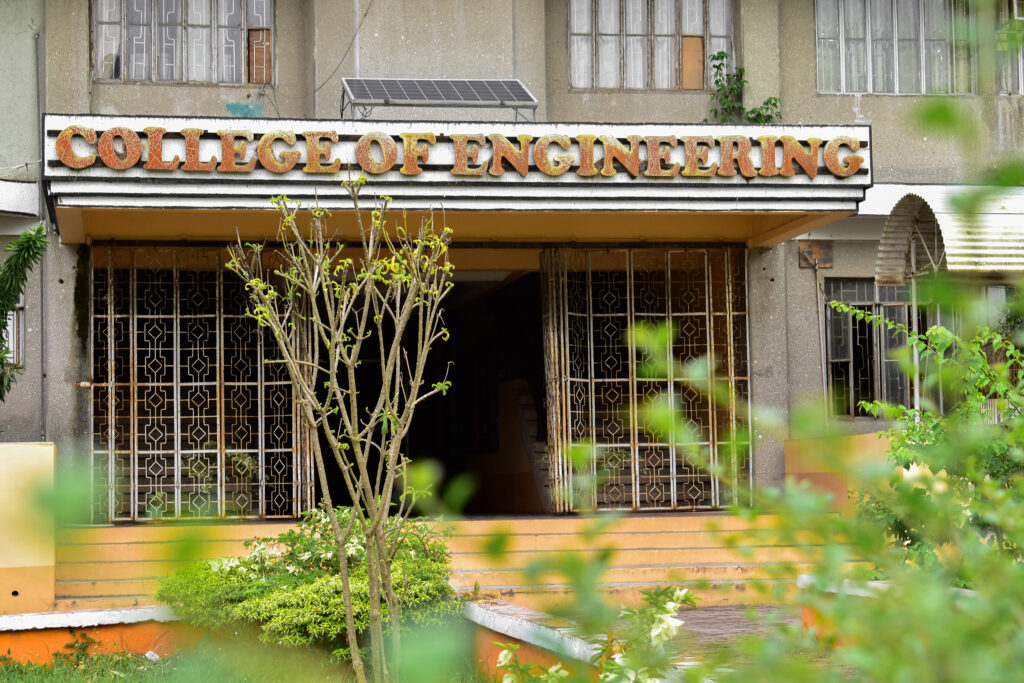
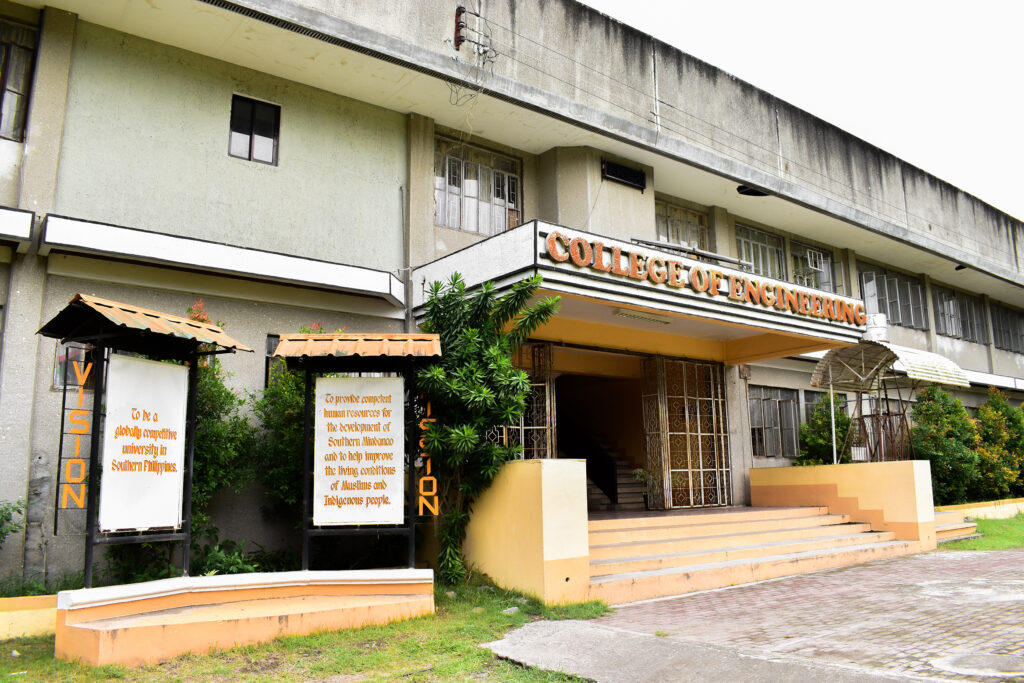
College of Engineering

Home / Academics / Colleges and Institutes / College of Engineering

College of Engineering

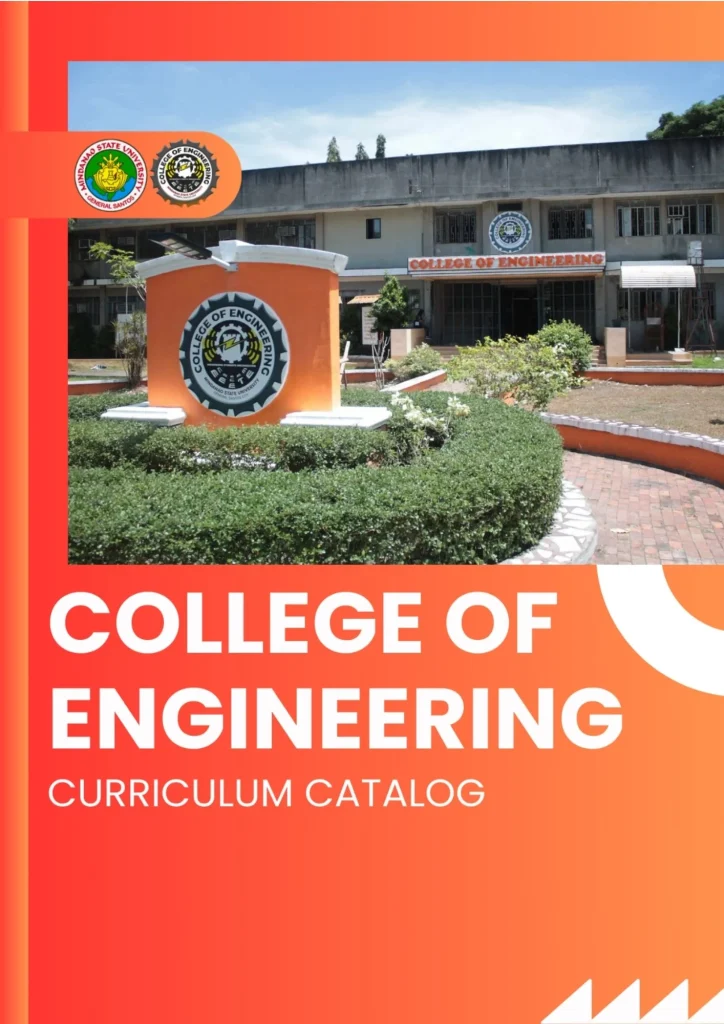
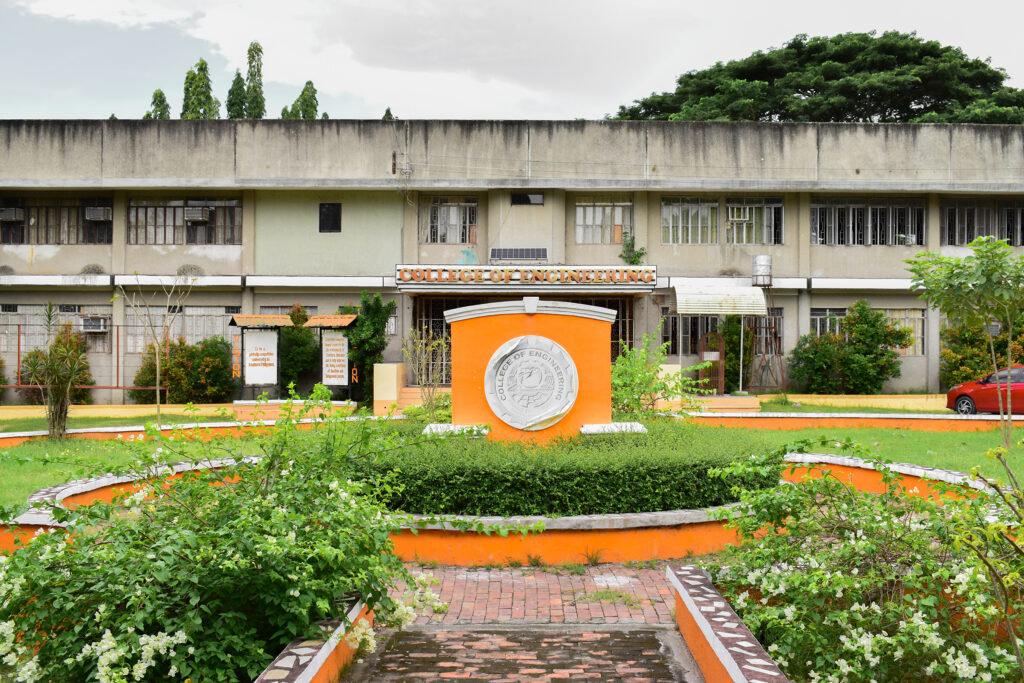
The College of Engineering serves as one of the university’s academic institutions dedicated to the advancement of engineering education, research, and innovation aimed at producing competent, ethical, and industry-ready engineers. The college is committed to developing professionals who are equipped with strong technical knowledge, problem-solving skills, and innovative thinking to address real-world engineering and technological challenges.

More specifically, the college offers academic programs in various engineering disciplines that emphasize scientific principles, design, analysis, and applied technologies. It facilitates laboratory-based learning, research initiatives, and industry-aligned training that enhance students’ technical competencies and practical experience. The college also engages in extension activities and collaborations with industry partners, government agencies, and communities to promote sustainable engineering solutions and technological development. Furthermore, it contributes to the university’s mission of academic excellence by producing graduates who are capable of driving innovation, supporting infrastructure development, and contributing to national progress through engineering and technology.

Department Chairpersons / Program Coordinators

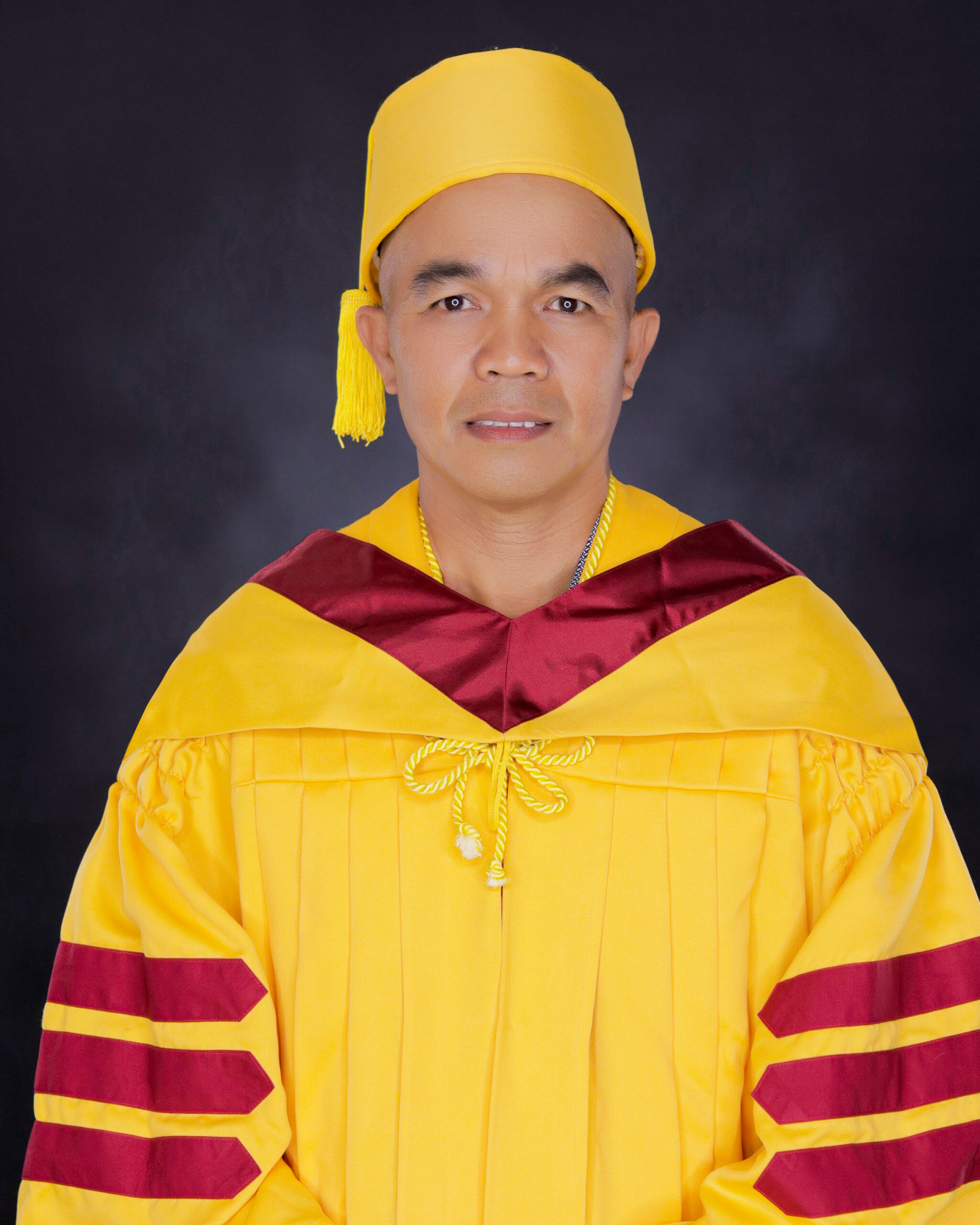
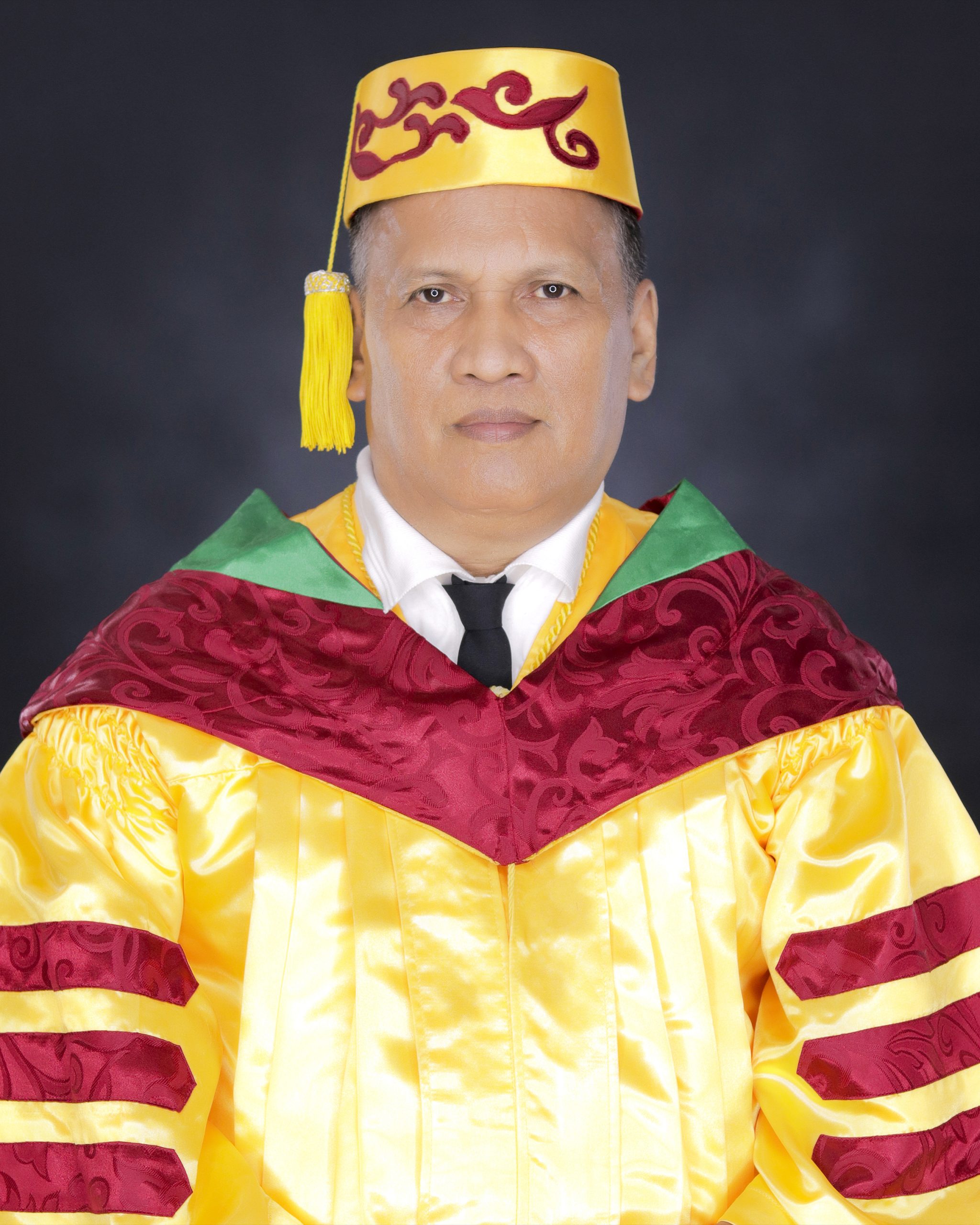
Prof. Randy P. Asturias, PhD

Prof. Randy P. Asturias, PhD

Civil Engineering
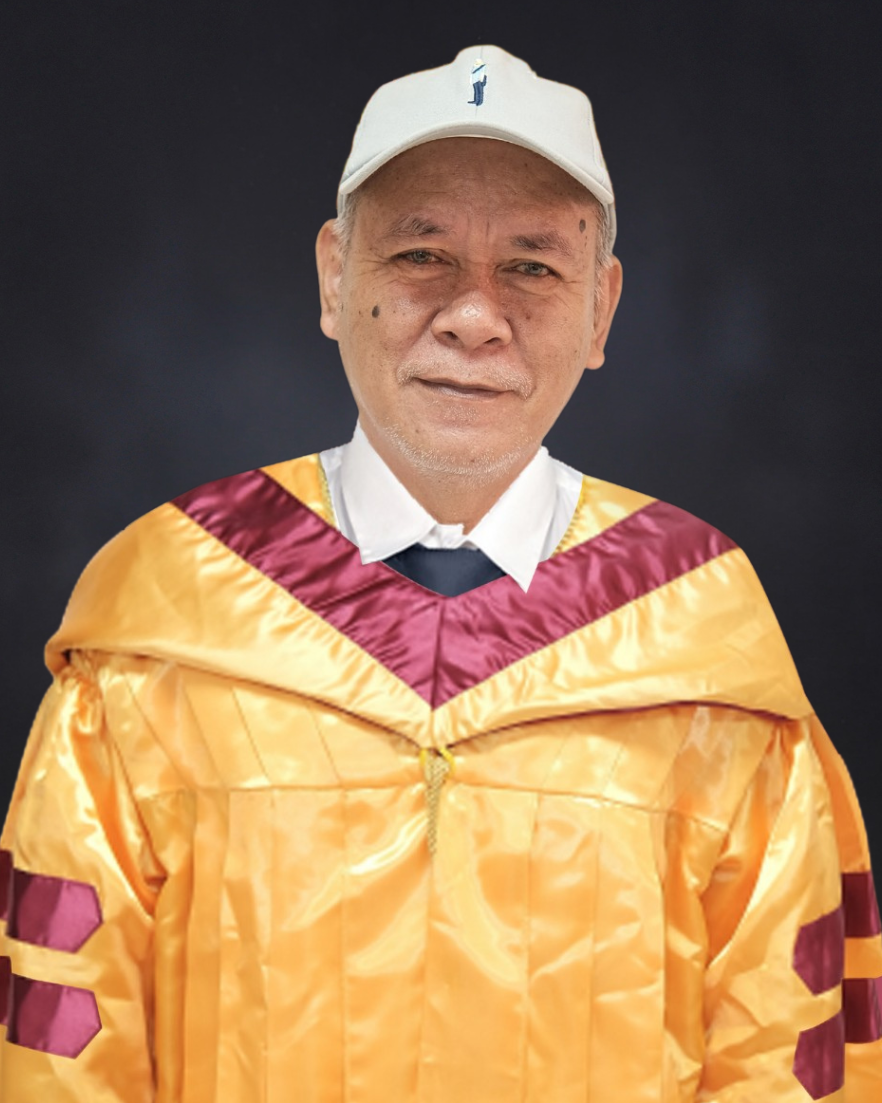
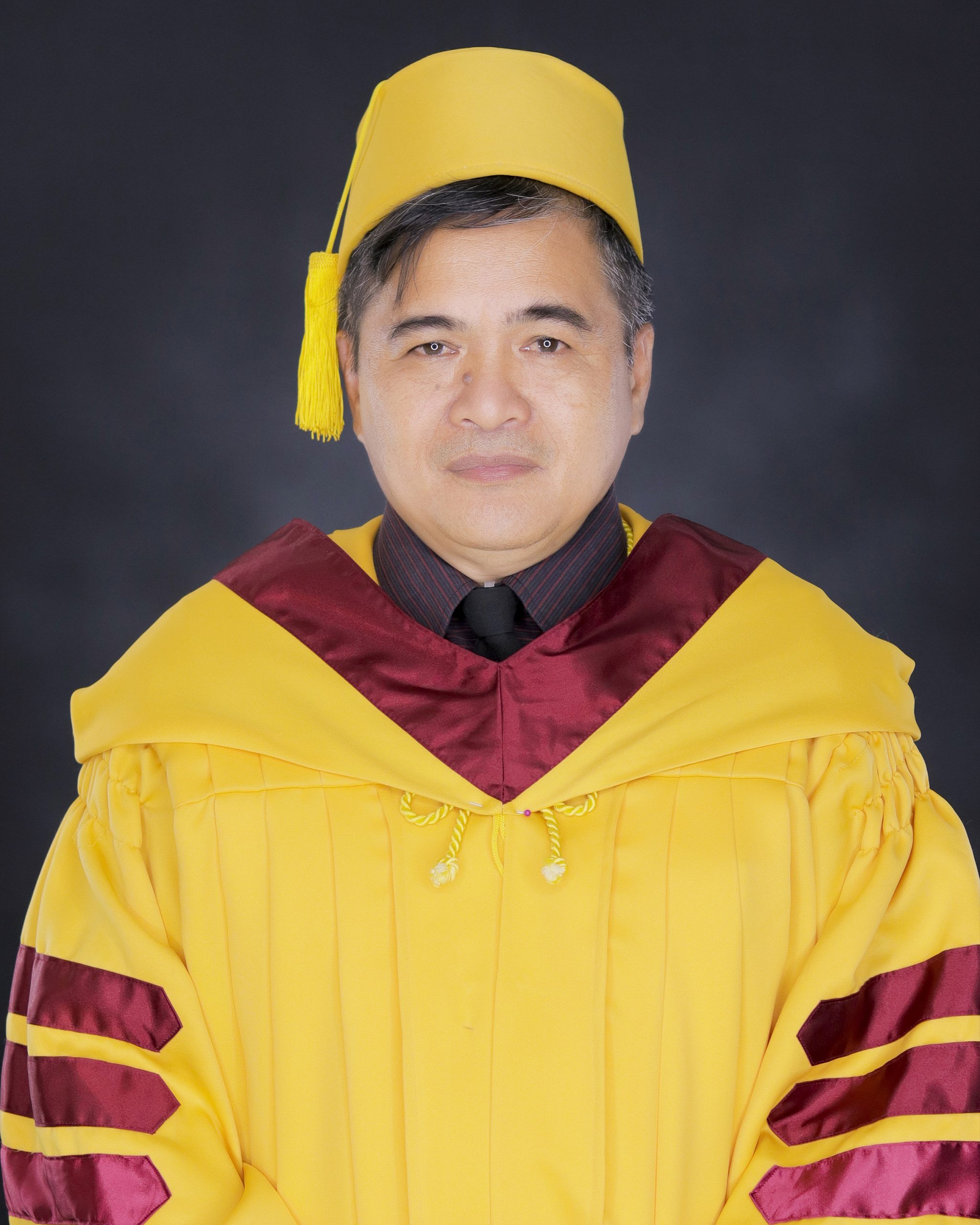
Assoc. Prof. Venus T. Elevencionado, MEP-EE

Assoc. Prof. Venus T. Elevencionado, MEP-EE

Electrical Engineering
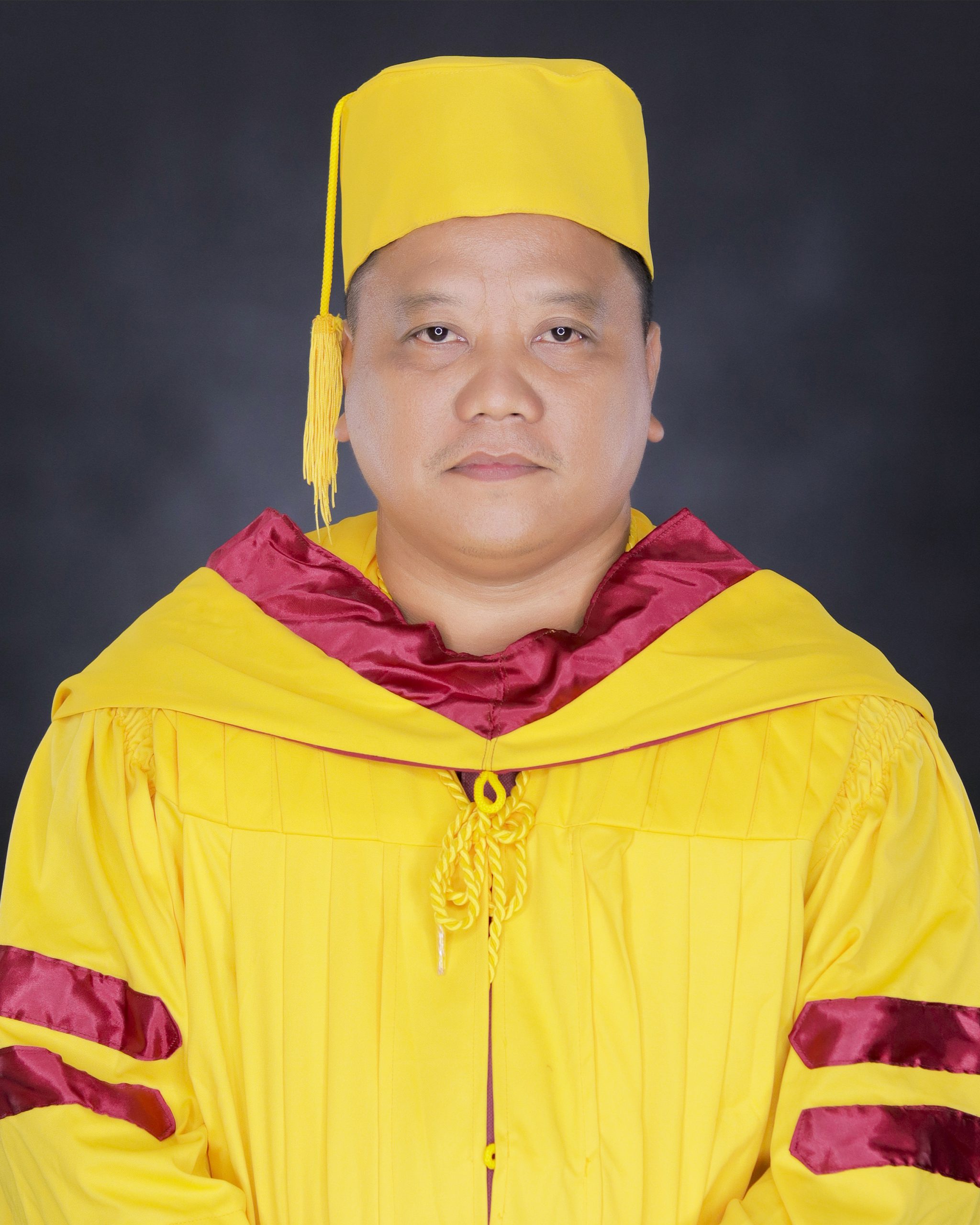
Prof. Diomedes L. Tablo, MSCE

Prof. Diomedes L. Tablo, MSCE

Electronics Engineering
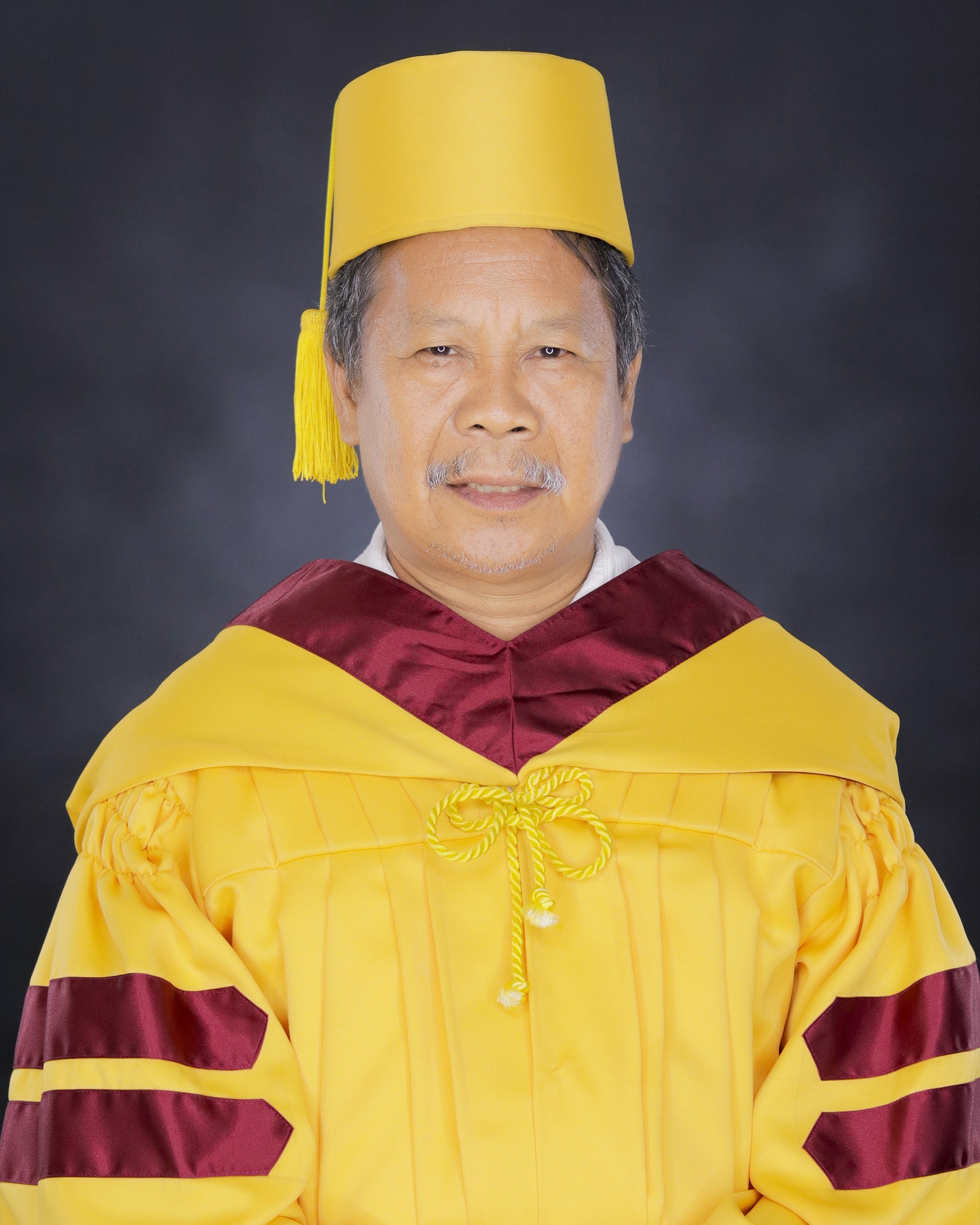
Asst. Prof. Ronald A. Delalamon, MEPME, PME

Asst. Prof. Ronald A. Delalamon, MEPME, PME

Mechanical Engineering
Assoc. Prof. Engr. Felipe C. Solidarios, Jr.

Assoc. Prof. Engr. Felipe C. Solidarios, Jr.

Engineering Technology
Prof. Engr. Charlie S. Taclendo, PhD

Prof. Engr. Charlie S. Taclendo, PhD

Master of Science in Civil Engineering
Prof. Engr. Danilo P. Dadula, PhD

Prof. Engr. Danilo P. Dadula, PhD

Master of Science in Mechanical Engineering

Undergraduate Programs

The Bachelor of Science in Civil Engineering, first established in the University through BOR Resolution No. 2072, Series of 1979, and with its recently approved revised curriculum through BOR Resolution No. 357, Series of 2017, has been a beacon of excellence in the Civil Engineering profession for decades. It has produced hundreds of highly skilled Civil Engineers throughout its years of operation, and has maintained its significance in the infrastructure development sector of not just the city and the region, but also of the country. It has done so through the untiring efforts of its faculty members, both past and present, utilizing well crafted curricula and employing various teaching methods to ensure that graduates are well-equipped to tackle the ever-changing landscape of the infrastructure industry. The rationale behind this narrative is to showcase the strengths of the department in the area of Instruction in a way that highlights all the programs, activities, procedures and processes that fully encapsulates what the Civil Engineering Department of MSU-GenSan is capable of as well as its impact to society and the community.

➤ Program Prospectus

The Bachelor of Science in Electrical Engineering is designed to prepare graduates for responsible engineering positions in design, development, research, applications and operation in the fields of electromagnetics, control systems, computer – aided design, power system, power plant design, circuits and instrumentation. The curriculum fosters the development of skills, competencies and attitudes that increases students’ abilities to address the social and ethical issues of technological advancements and keep abreast in new emerging technologies. The implementation of the program is also inspired by the Institute’s vision of: 1. attaining the status of a research university; 2. internationalization and being at par with other ASEAN universities; 3. being the lead university for peace and development initiatives in Mindanao, for disaster management and for climate change adaptation.

➤ Program Prospectus

The Bachelor of Science in Electronics Engineering program is built around a well-defined list of courses that covers fundamental principles in electronics of sufficient depth, incorporate technopreneurship, and at the same time allow for flexibility to cover areas and applications in the allied disciplines. The implementation of the program is inspired by the Institute’s vision of: 1. attaining the status of a research university; 2. internationalization and being at par with other ASEAN universities; 3. being the lead university for peace and development initiatives in Mindanao, for disaster management and for climate change adaptation.
➤ Program Prospectus

The Bachelor of Science in Mechanical Engineering is a five-year undergraduate program designed to prepare students for professional practice in the field of mechanical engineering. It aims to develop competent, innovative, and ethical engineers with a strong foundation in mathematics, physics, and engineering sciences. The program provides comprehensive training in the design, analysis, testing, and operation of mechanical systems and processes. Emphasis is placed on problem-solving, research, and the application of modern engineering tools and technologies. Upon completion of all academic requirements, graduates are equipped to pursue careers in manufacturing, energy, transportation, research, and other industries requiring mechanical engineering expertise.
➤ Program Prospectus

The Bachelor of Science in Engineering Technology major in Electrical and Renewable Energy is a four-year undergraduate program designed to prepare technically skilled and industry-ready professionals in the fields of electrical systems and sustainable energy technologies. It aims to develop competent, innovative, and environmentally responsible technologists capable of designing, operating, and maintaining electrical and renewable energy systems. The program integrates theoretical knowledge with practical applications in power generation, electrical installations, automation, and renewable energy solutions such as solar, wind, and hydro systems. Upon completion of all academic requirements, graduates are equipped to work in industries related to power systems, energy management, and sustainable technology development.

➤ Program Prospectus

The Diploma in Automotive Technology is a technical-vocational program designed to equip students with the knowledge and hands-on skills necessary for the inspection, maintenance, and repair of automotive systems. It aims to develop competent and industry-ready technicians capable of diagnosing and servicing modern vehicles using current tools and technologies. The program provides practical training in engine systems, electrical and electronic controls, chassis and powertrain, and automotive servicing standards. Upon completion of all academic and technical requirements, graduates are prepared to pursue careers in automotive service centers, transportation companies, and related industries, or to engage in automotive entrepreneurship.

➤ Program Prospectus

The Diploma in Construction Technology is a technical-vocational program designed to provide students with the essential knowledge and practical skills required in the planning, construction, and maintenance of buildings and infrastructure. It aims to develop competent and safety-conscious construction technicians capable of applying modern methods and technologies in various phases of construction projects. The program offers hands-on training in drafting, surveying, materials testing, cost estimation, and project supervision. Upon completion of all academic and technical requirements, graduates are equipped to work in construction firms, government infrastructure projects, or engage in self-employed construction services.

➤ Program Prospectus

The Diploma in Electrical Technology is a technical-vocational program designed to train students in the principles, installation, operation, and maintenance of electrical systems and equipment. It aims to develop skilled and safety-oriented electrical technicians capable of working with residential, commercial, and industrial electrical applications. The program provides hands-on experience in electrical wiring, motor control, power distribution, and renewable energy systems while emphasizing adherence to electrical codes and industry standards. Upon completion of all academic and technical requirements, graduates are equipped to work in electrical service industries, construction firms, power utilities, or pursue self-employment in electrical installation and maintenance services.

➤ Program Prospectus

The Diploma in Machine Shop Technology is a technical-vocational program designed to equip students with the knowledge and practical skills necessary for precision machining, metalworking, and manufacturing processes. It aims to develop competent and detail-oriented machinists capable of operating, maintaining, and troubleshooting conventional and computer numerical control (CNC) machines. The program provides intensive hands-on training in machining operations, tool and die making, blueprint reading, and industrial safety practices. Upon completion of all academic and technical requirements, graduates are prepared to work in manufacturing industries, metal fabrication shops, and maintenance facilities, or to pursue self-employment in precision machining services.

➤ Program Prospectus

Graduate Programs

The Master of Science in Civil Engineering (MSCE) is a graduate program that provides advanced education and research training in the field of civil engineering, which involves the planning, design, construction, operation, and maintenance of infrastructure essential to modern society. The program aims to deepen students’ knowledge in specialized areas such as structural engineering, geotechnical engineering, transportation engineering, water resources engineering, construction engineering and management, and environmental engineering, while fostering innovation, sustainability, and resilience in infrastructure development.

➤ Program Prospectus

The Master of Science in Mechanical Engineering (MSME) is a graduate program that provides advanced education and research training in the field of mechanical engineering, which focuses on the design, analysis, manufacturing, operation, and maintenance of mechanical systems and processes. The program aims to develop highly competent engineers with expertise in thermal and fluid systems, energy conversion, robotics and automation, materials and manufacturing, vibration and control systems, and advanced machine design.

➤ Program Prospectus
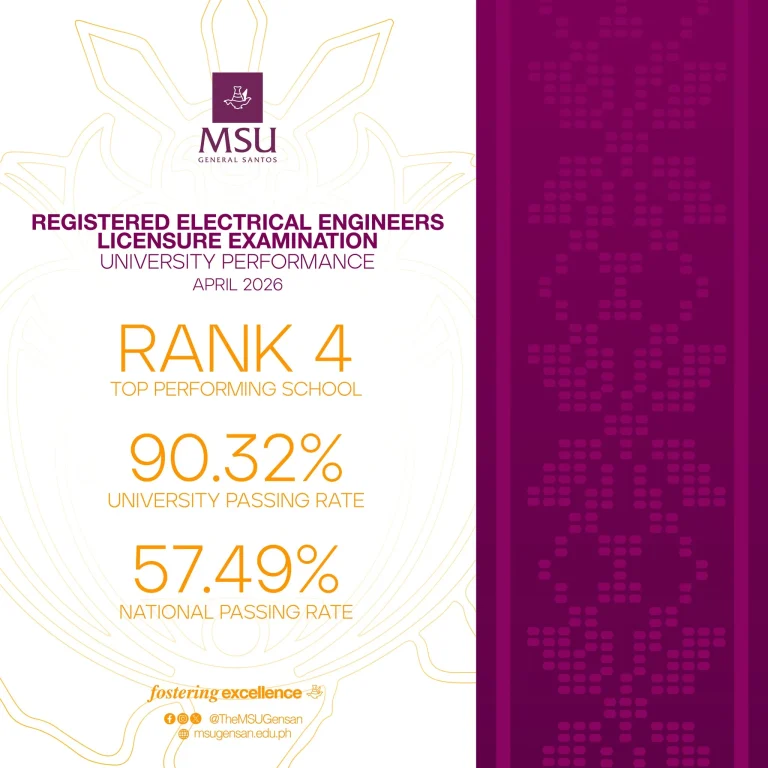
MSU-GenSan ranks Top 4 Performing School in April 2026 REELE
Read More
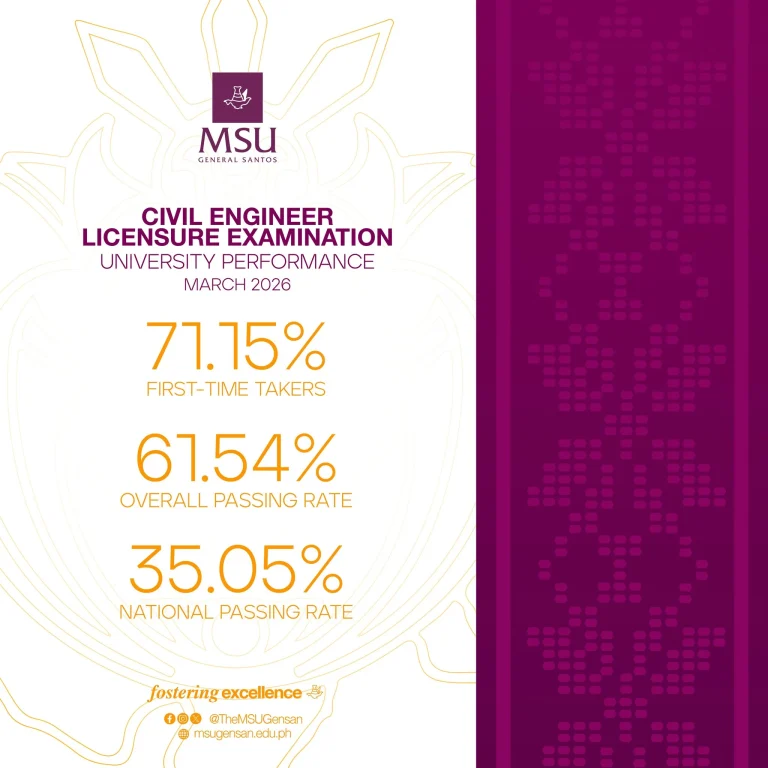
MSU-GenSan produces 40 newly Licensed Civil Engineers in March 2026 CELE
Read More
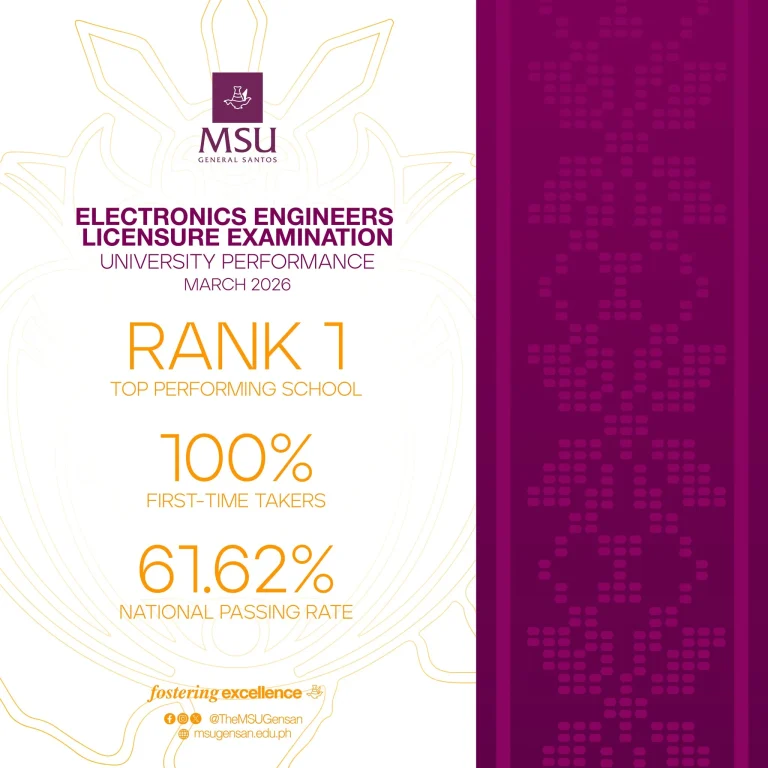
MSU-GenSan Top 1 Performing School in March 2026 EELE
Read More