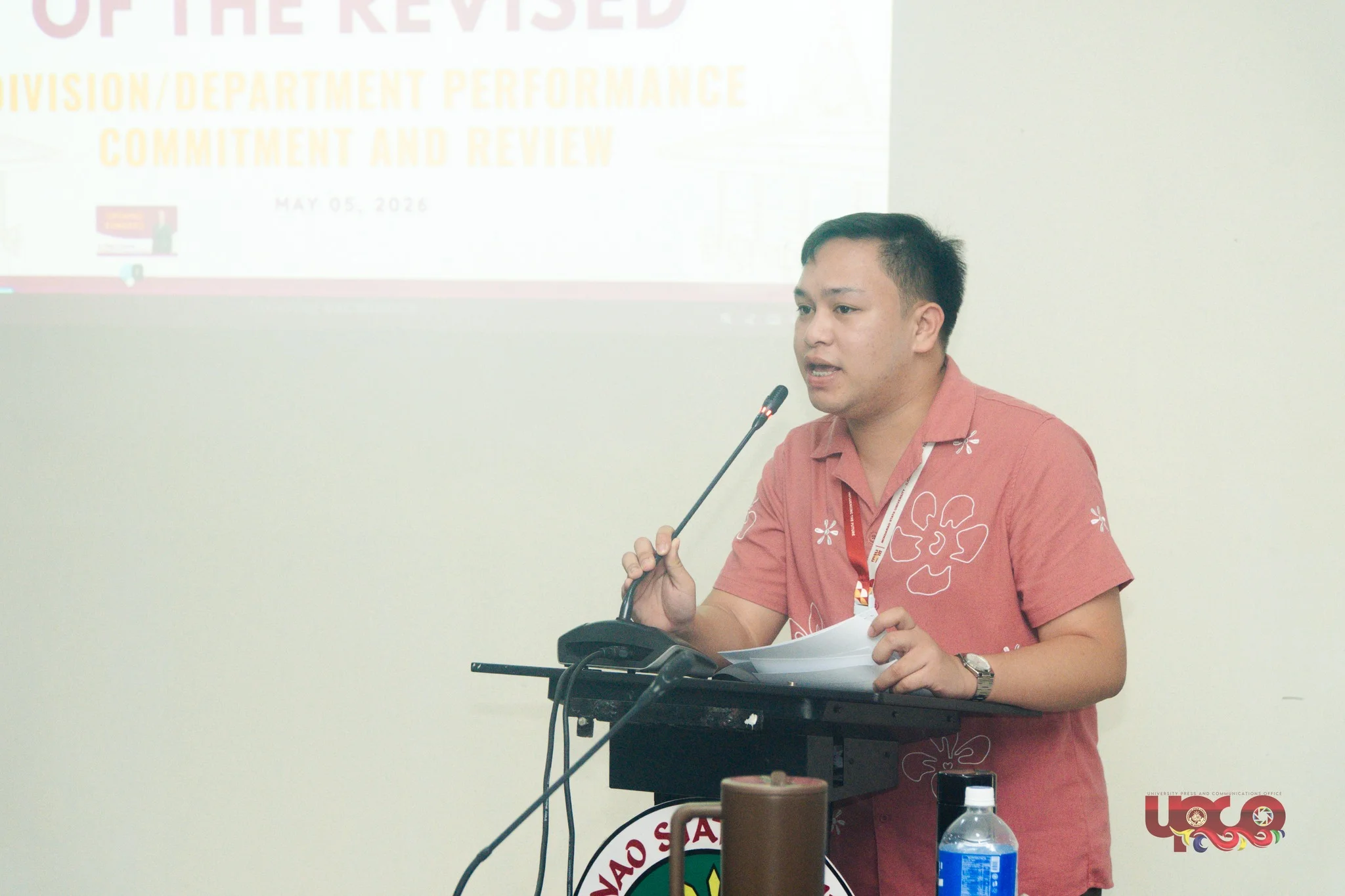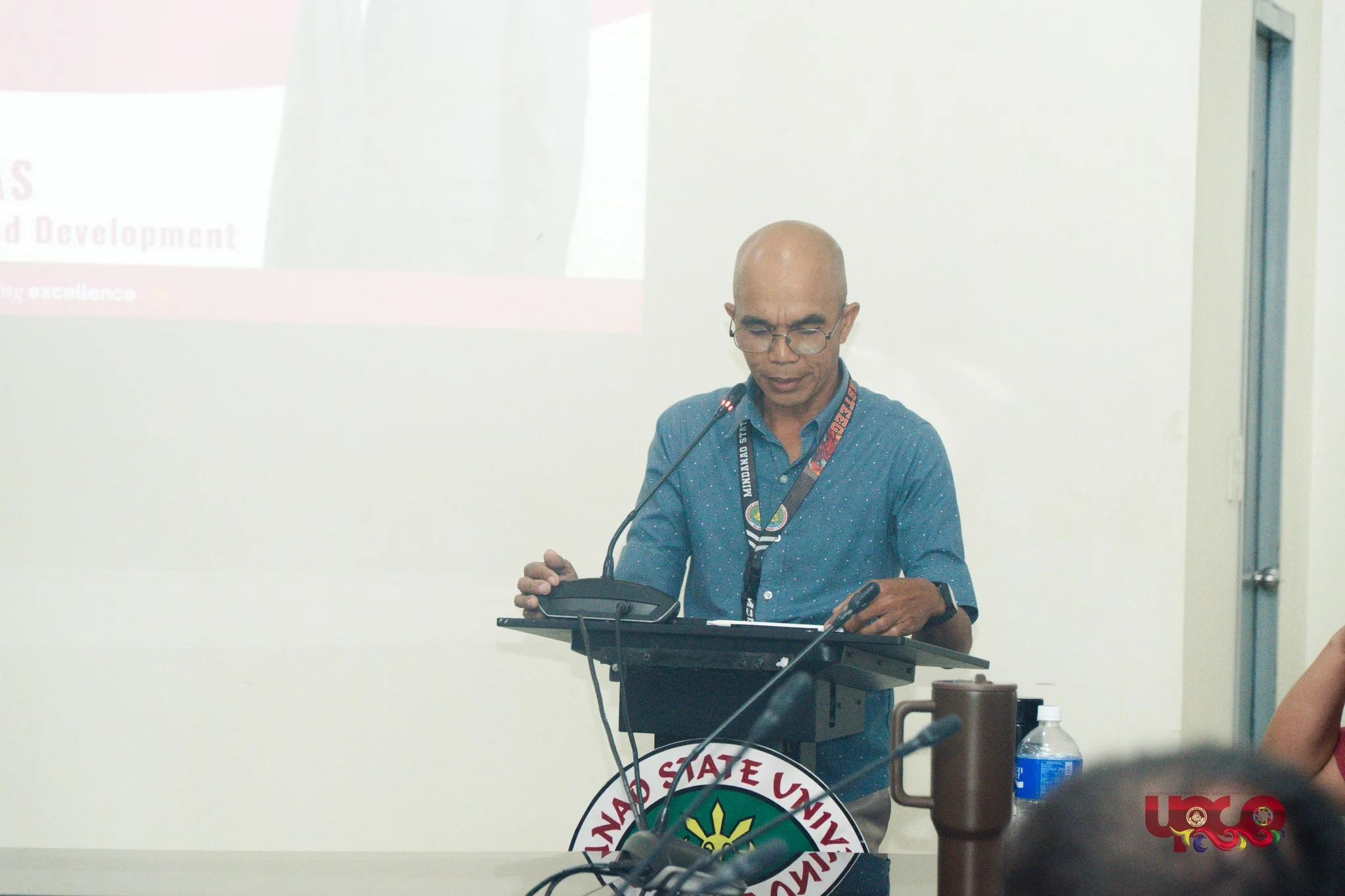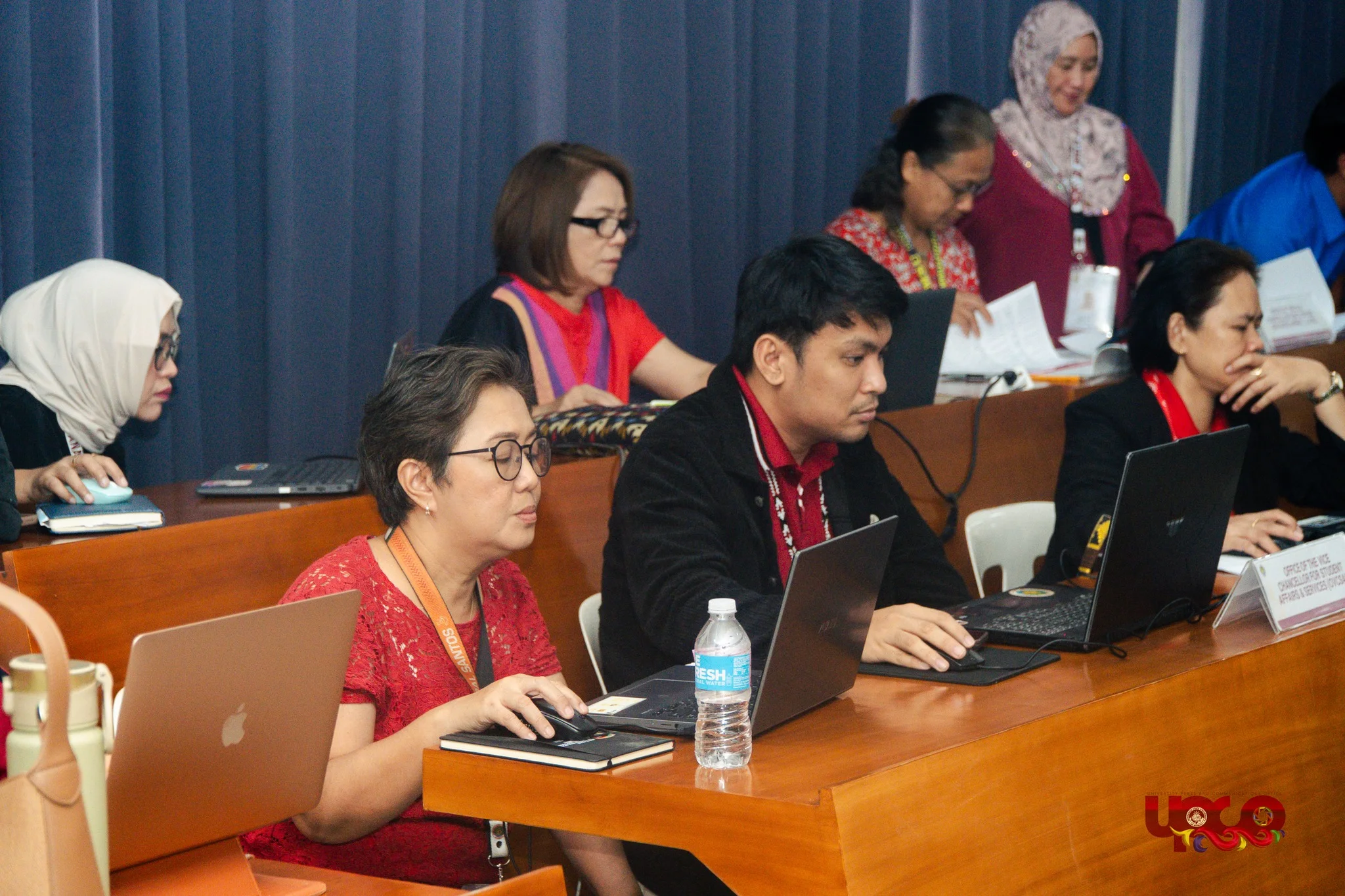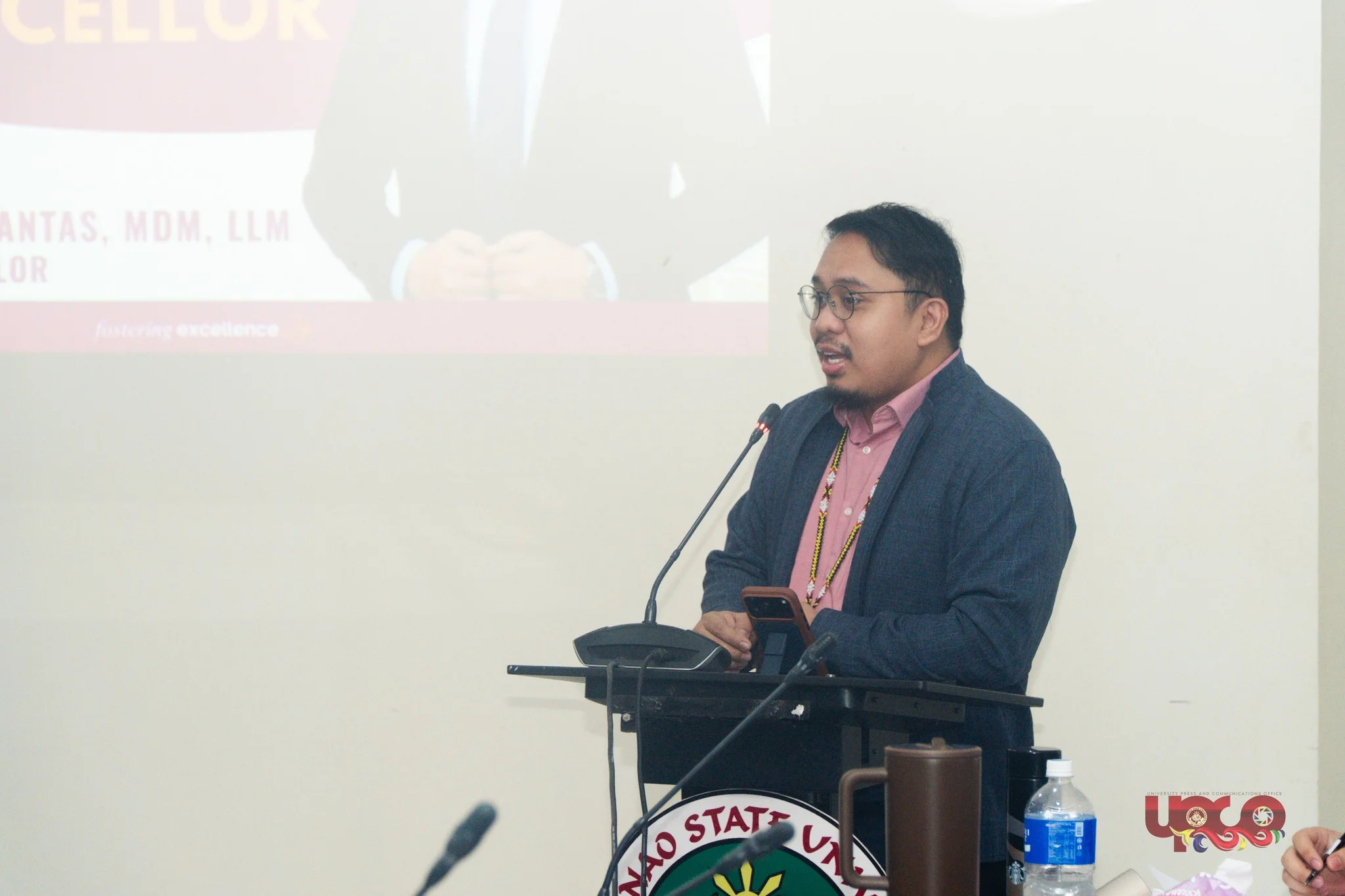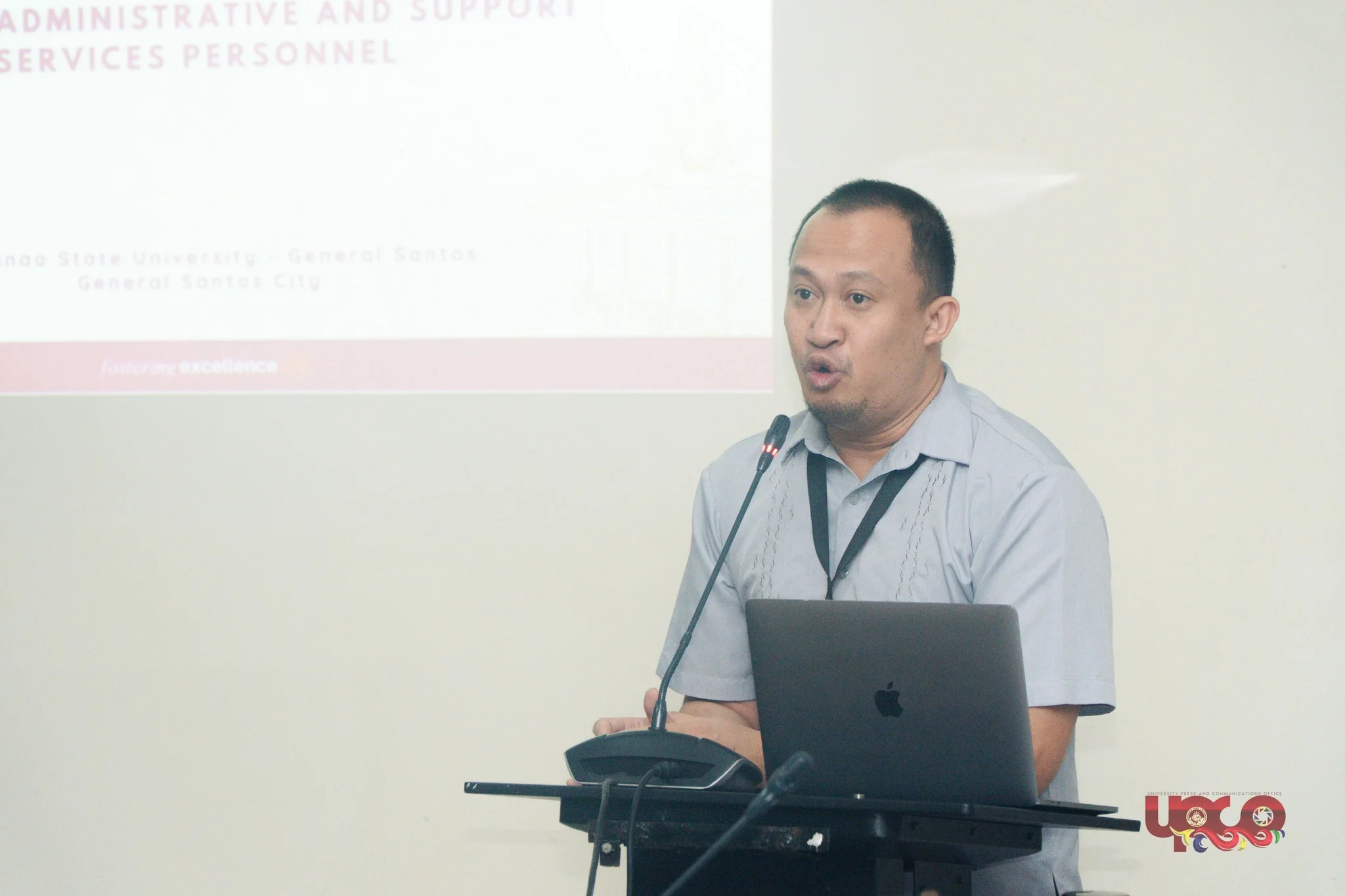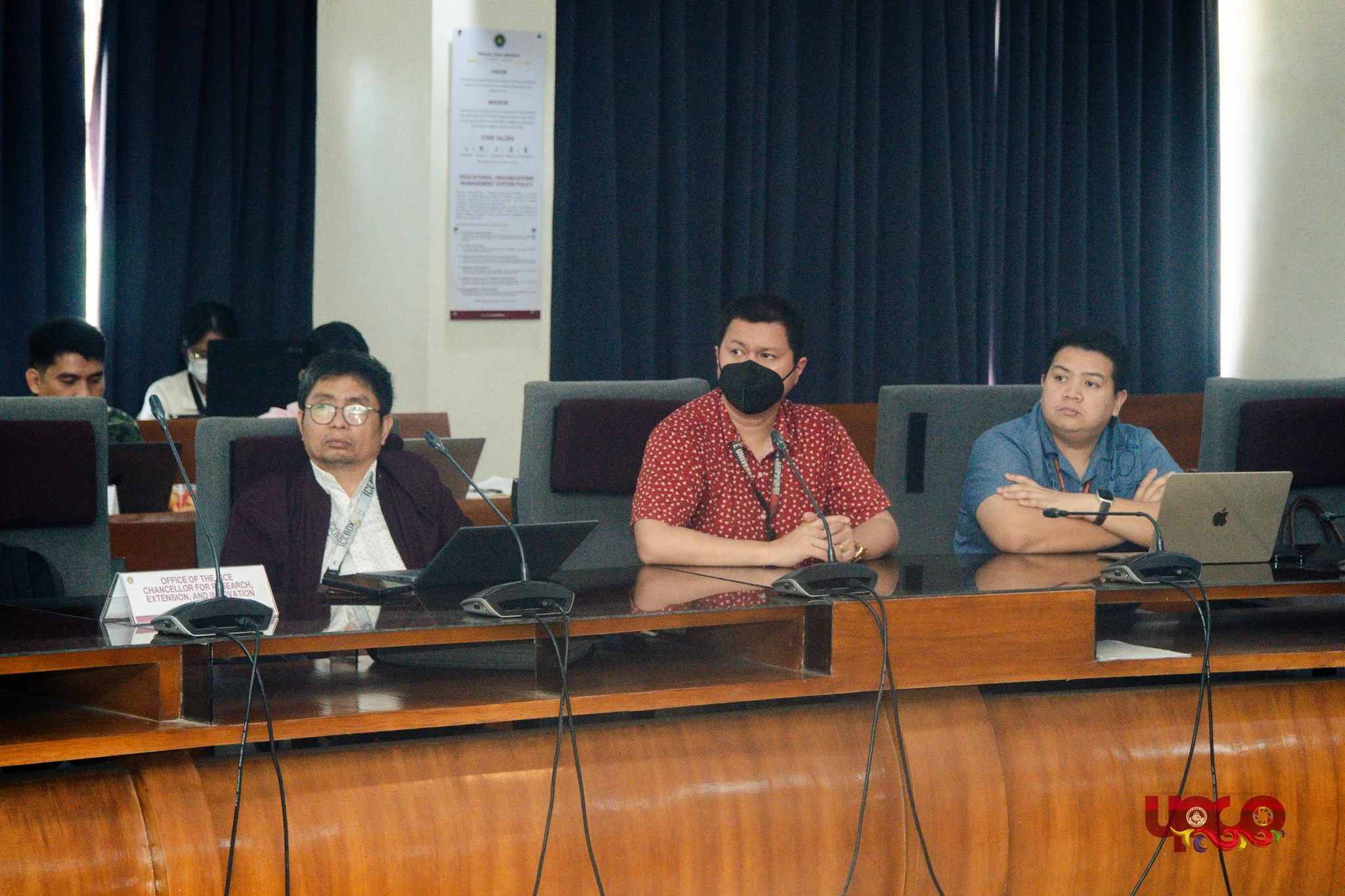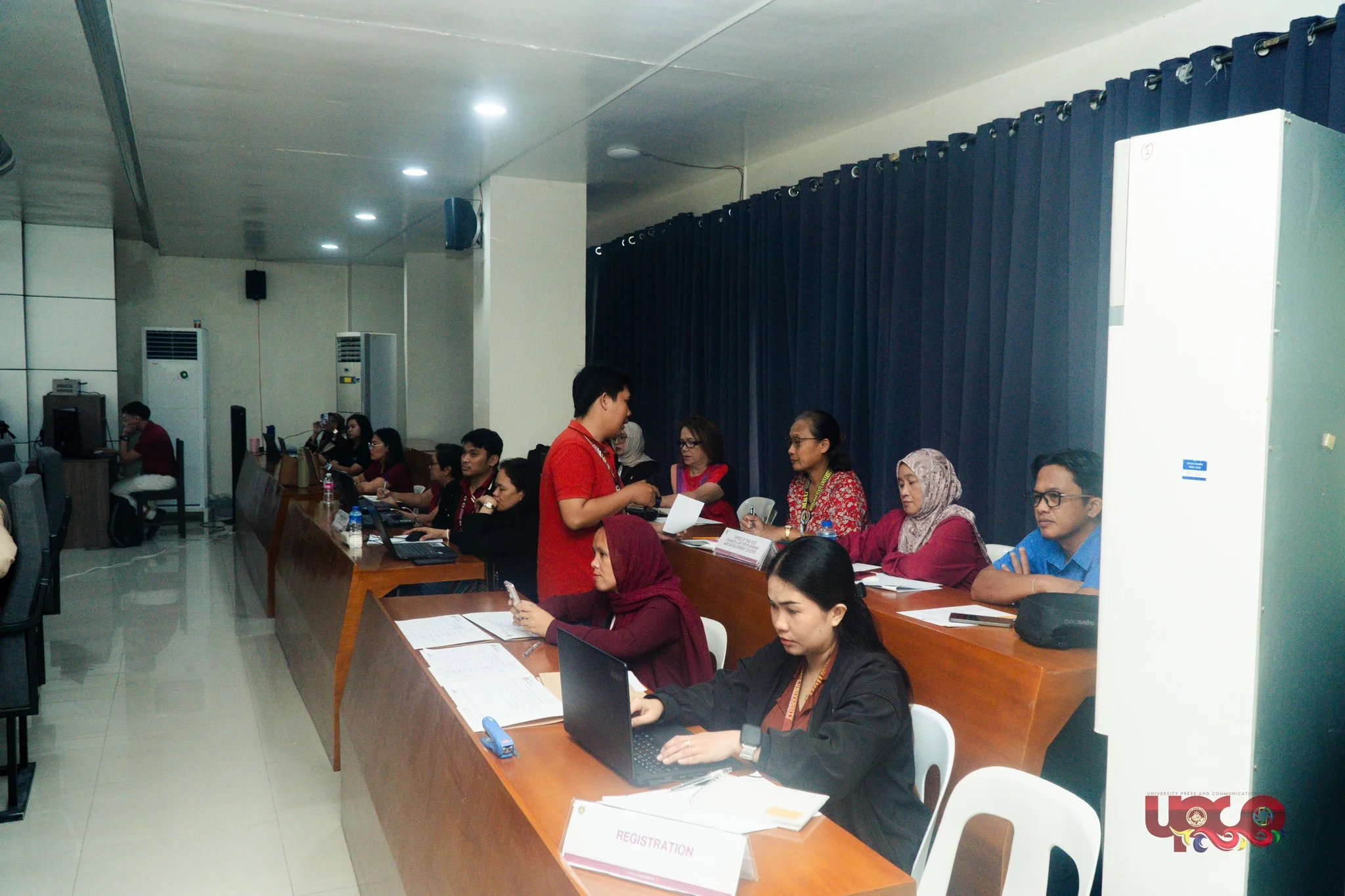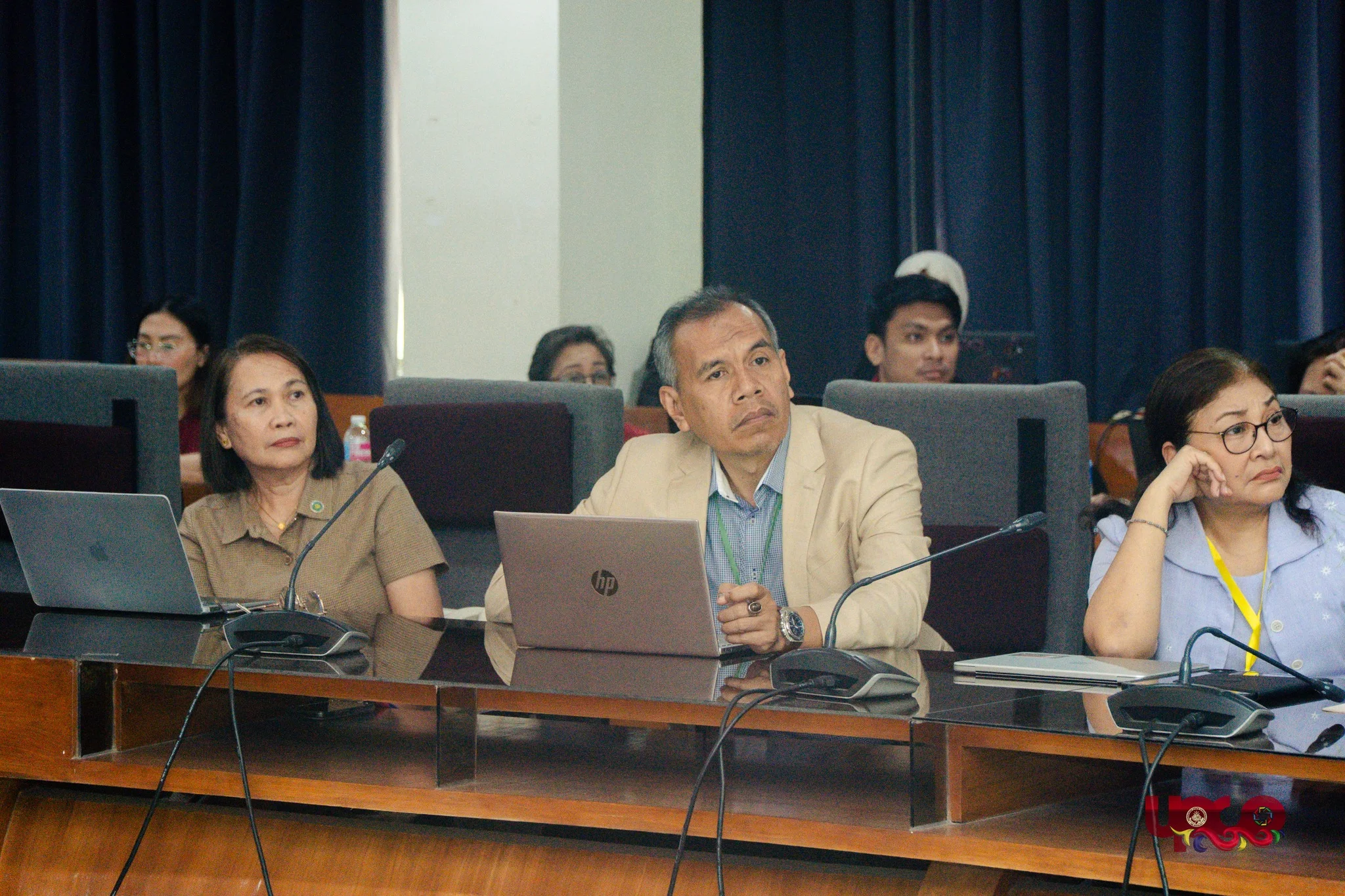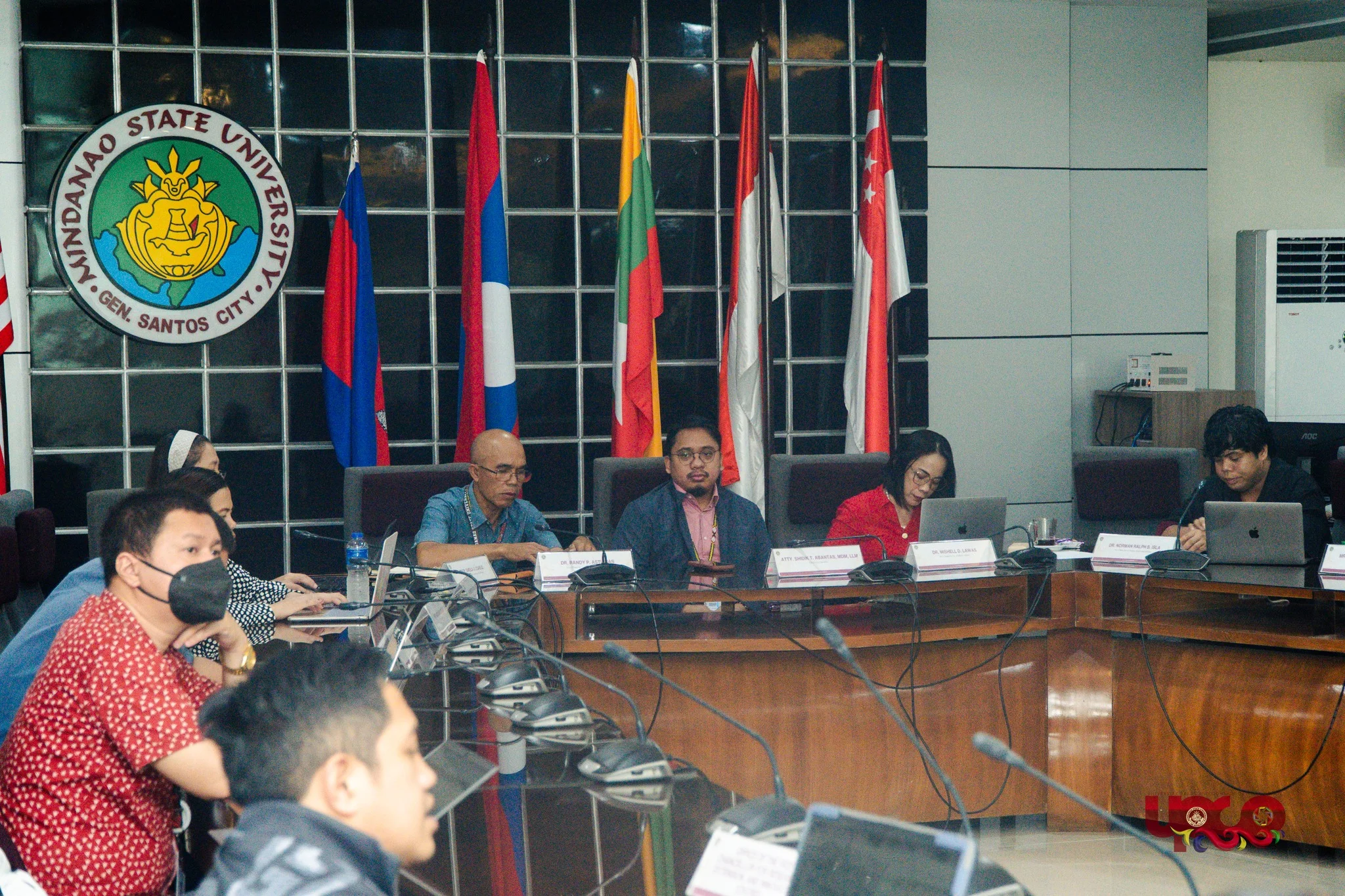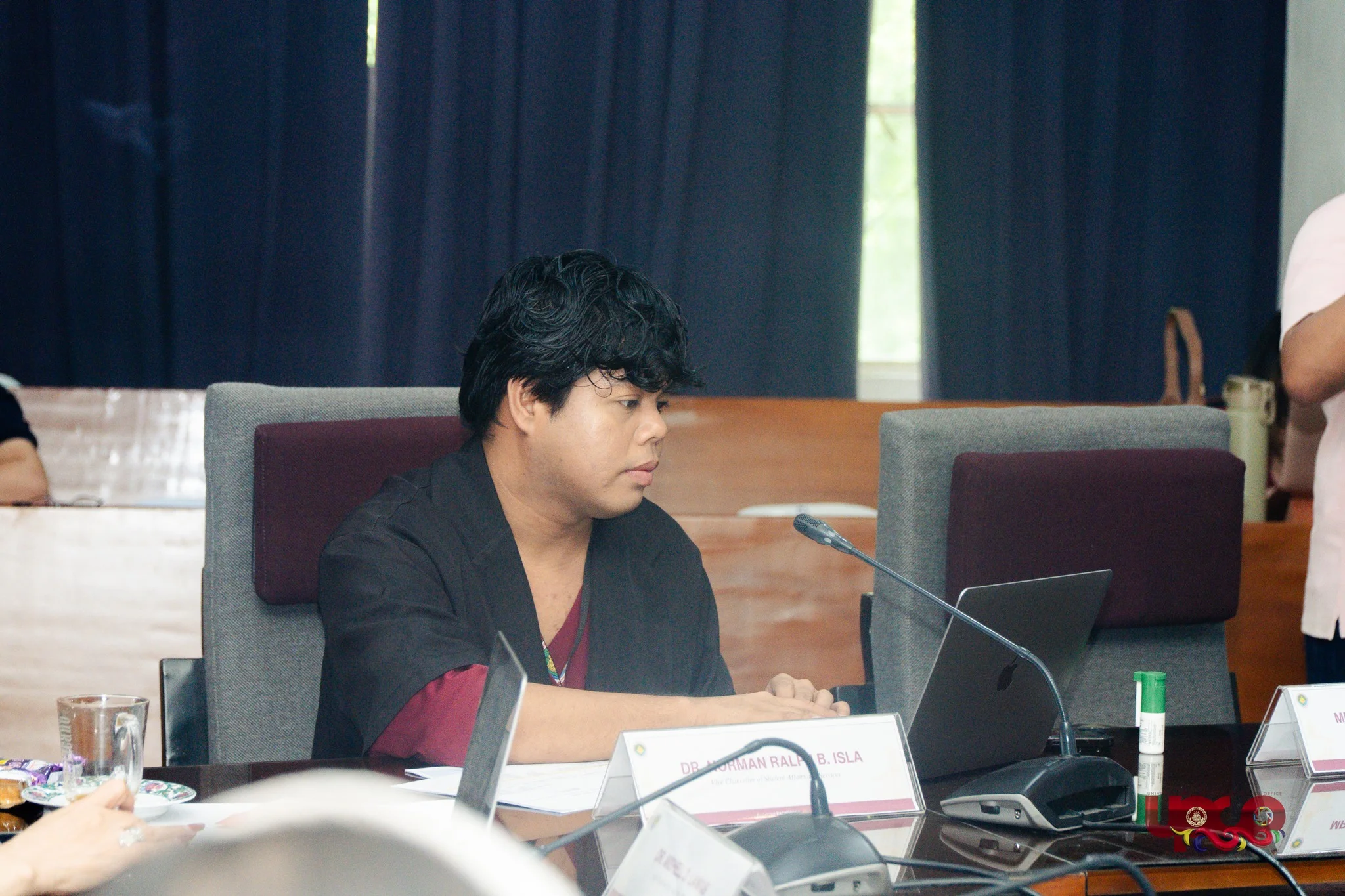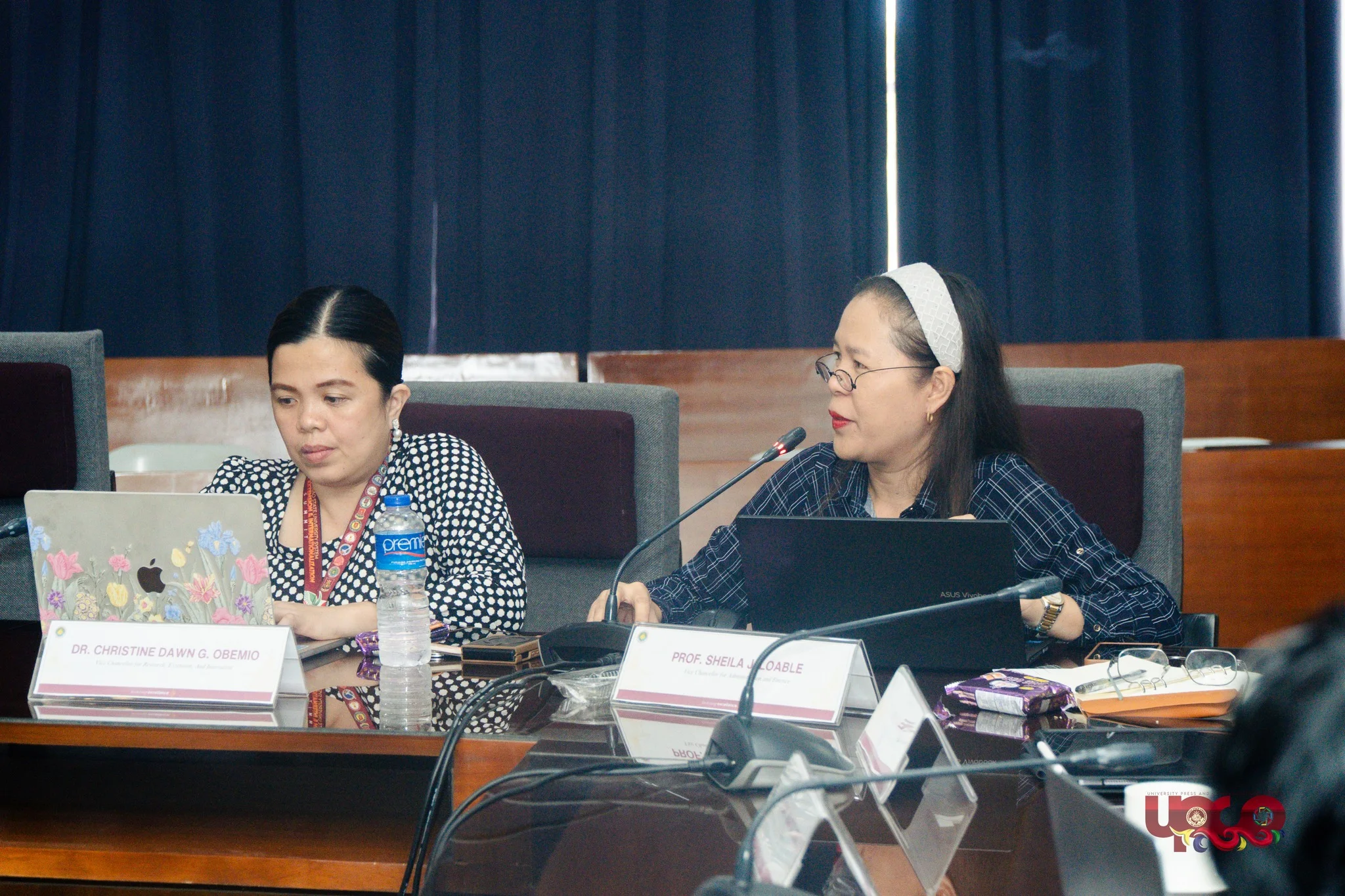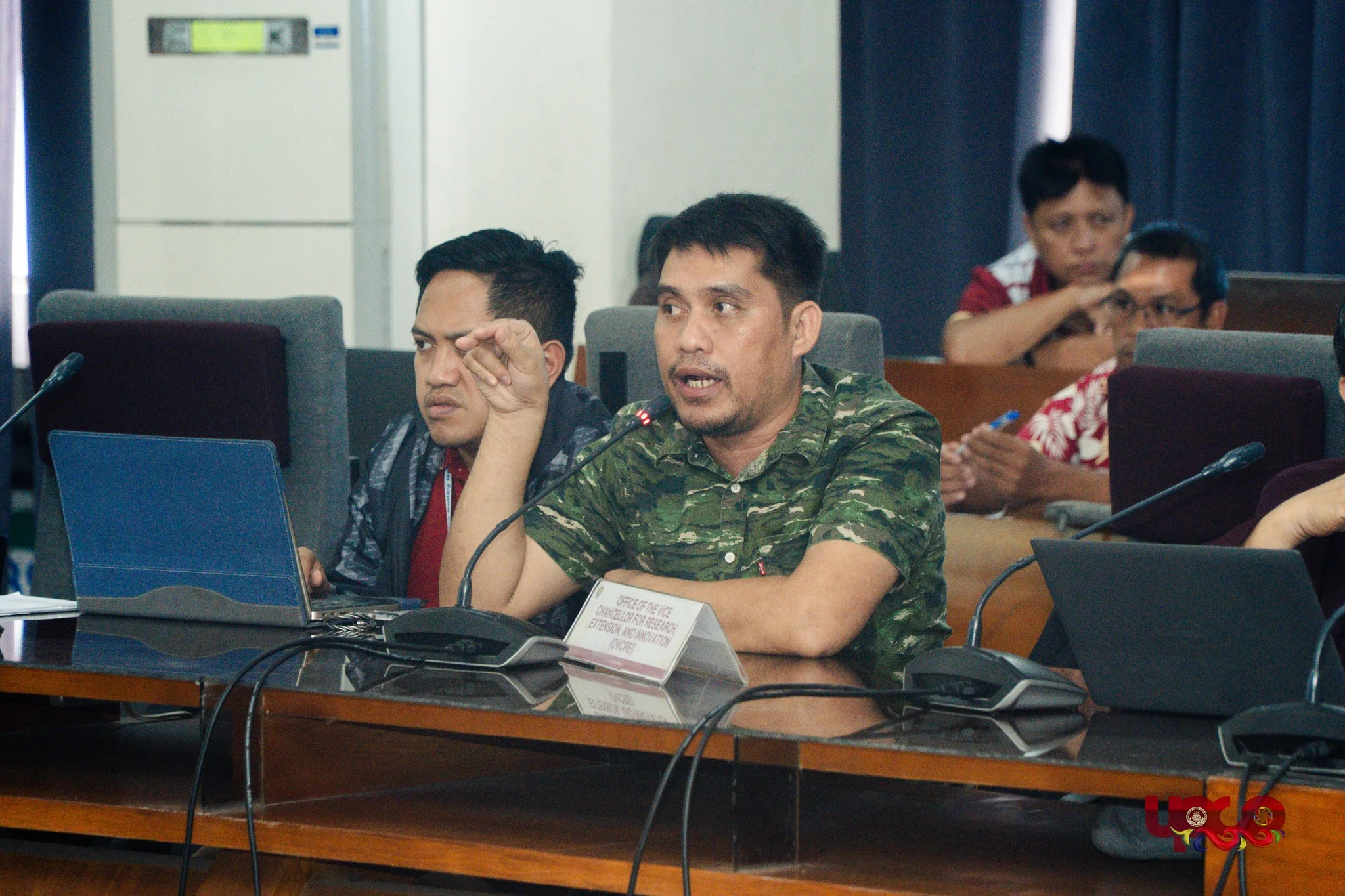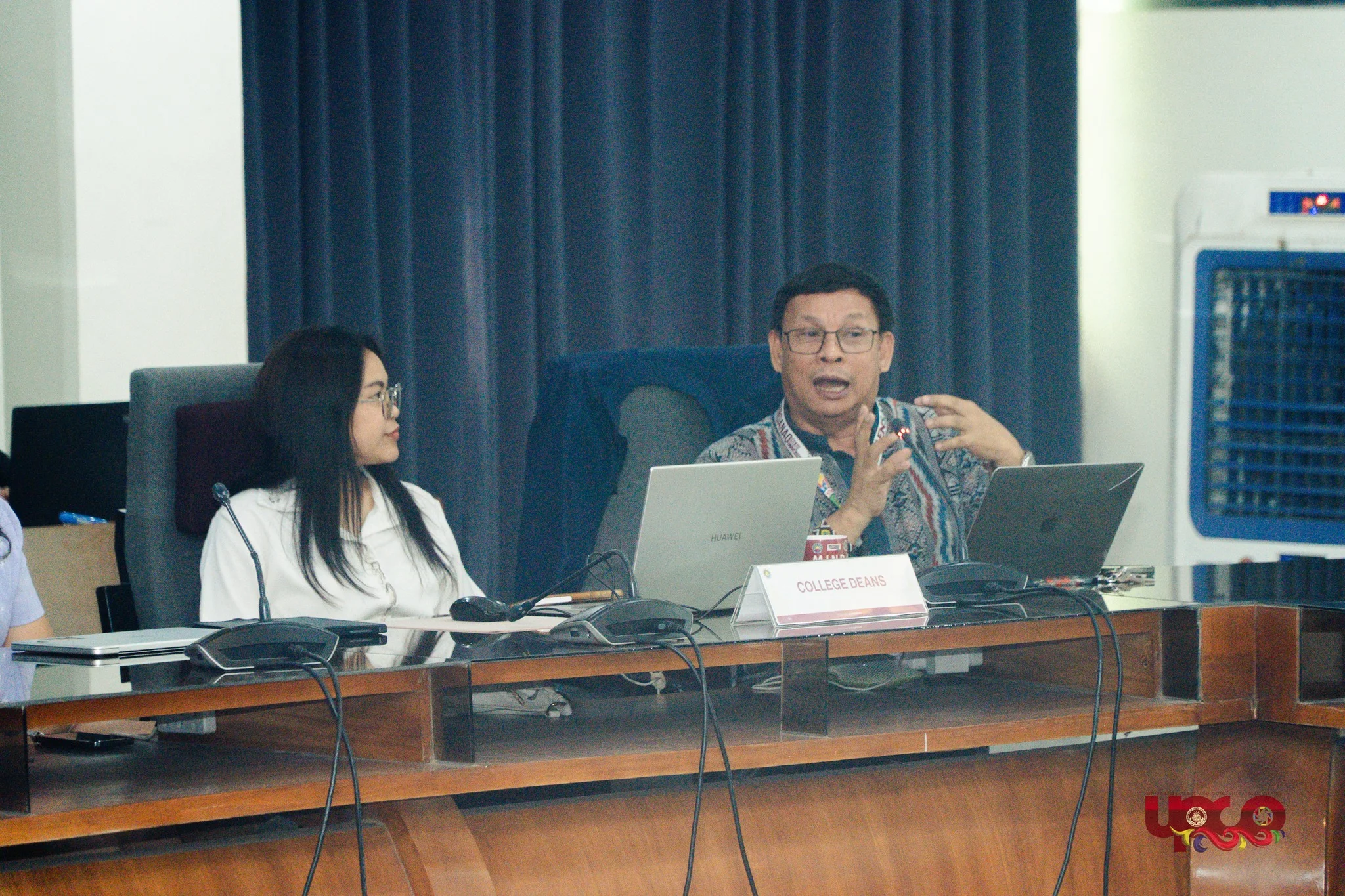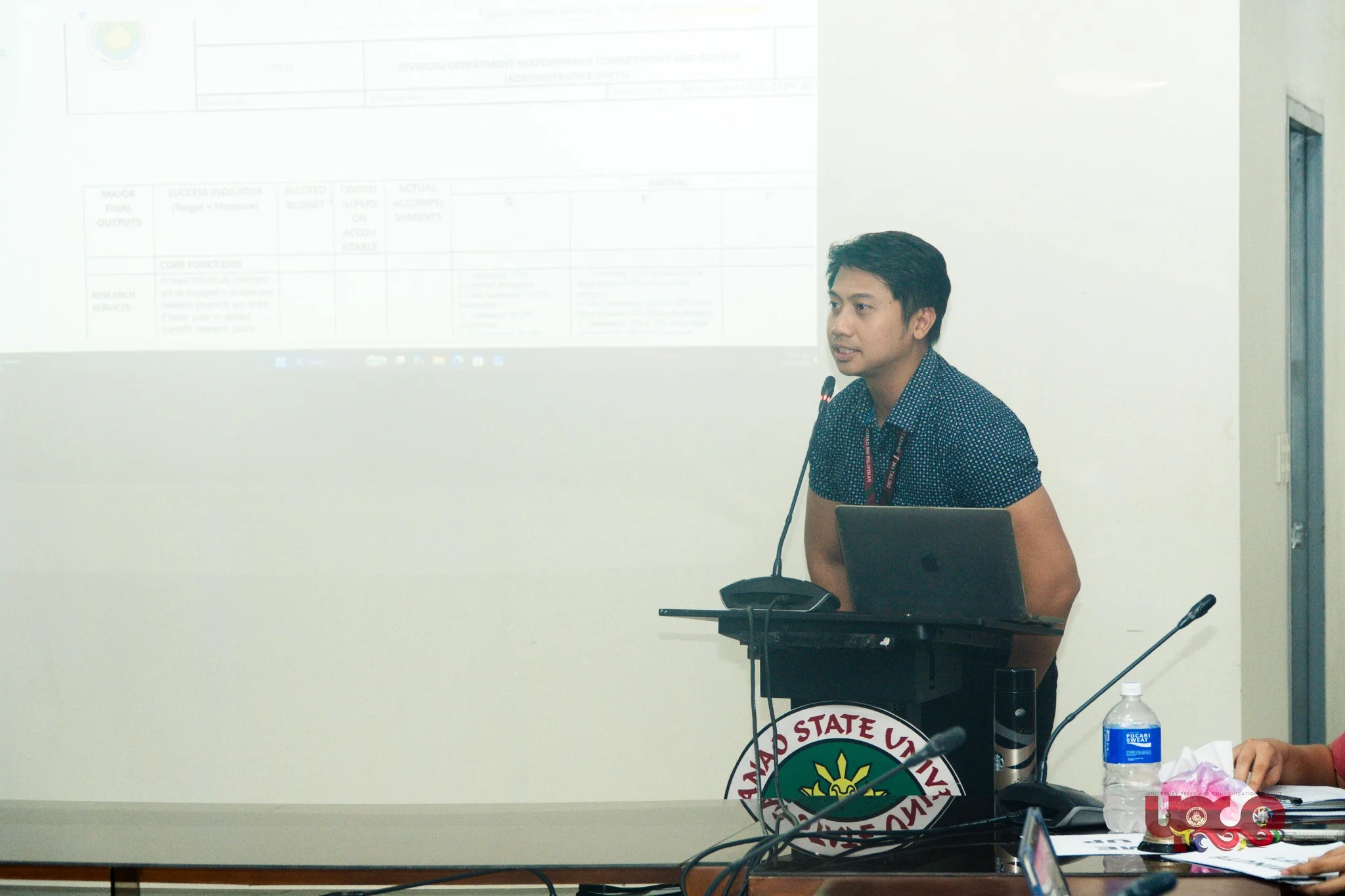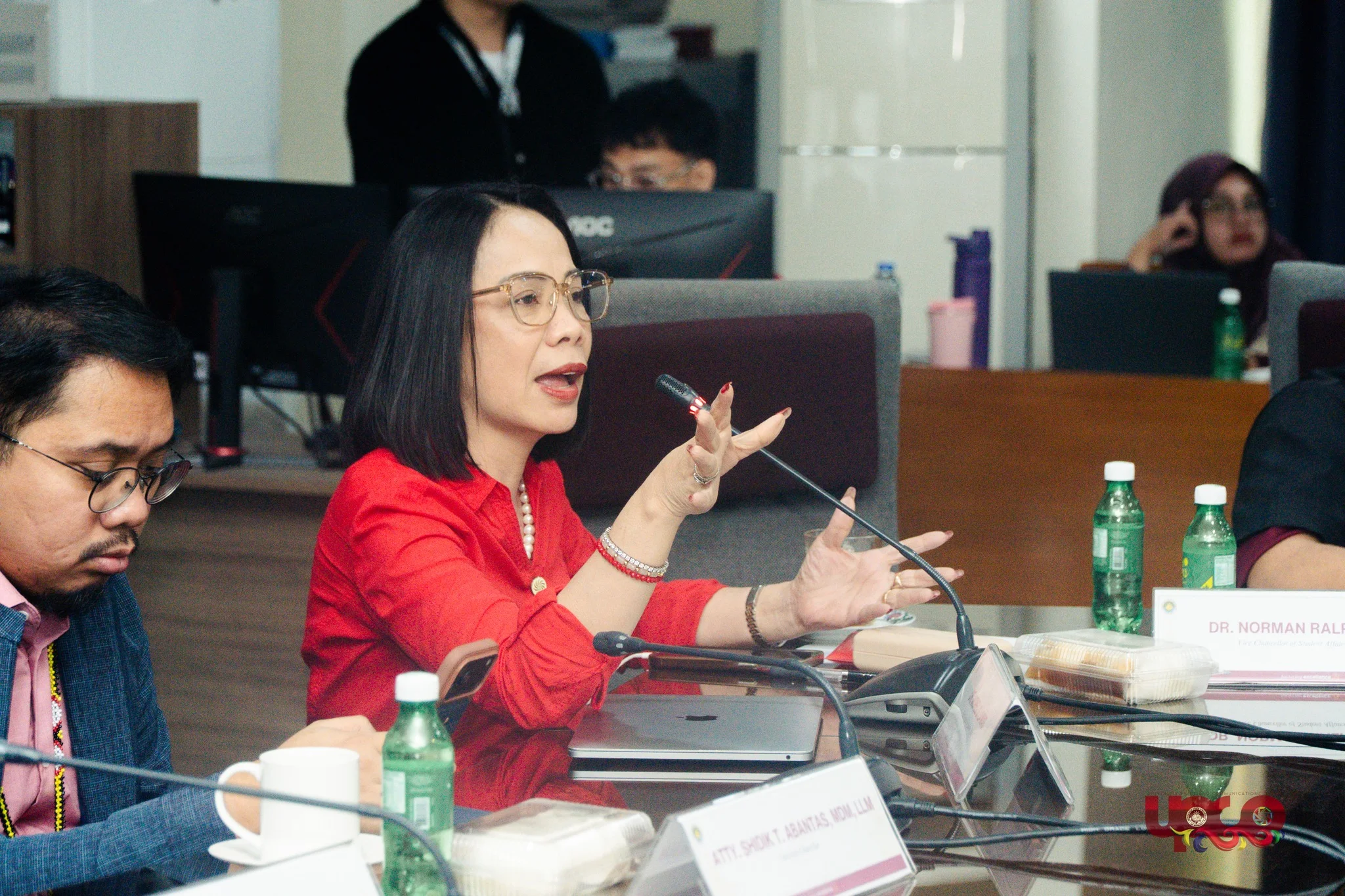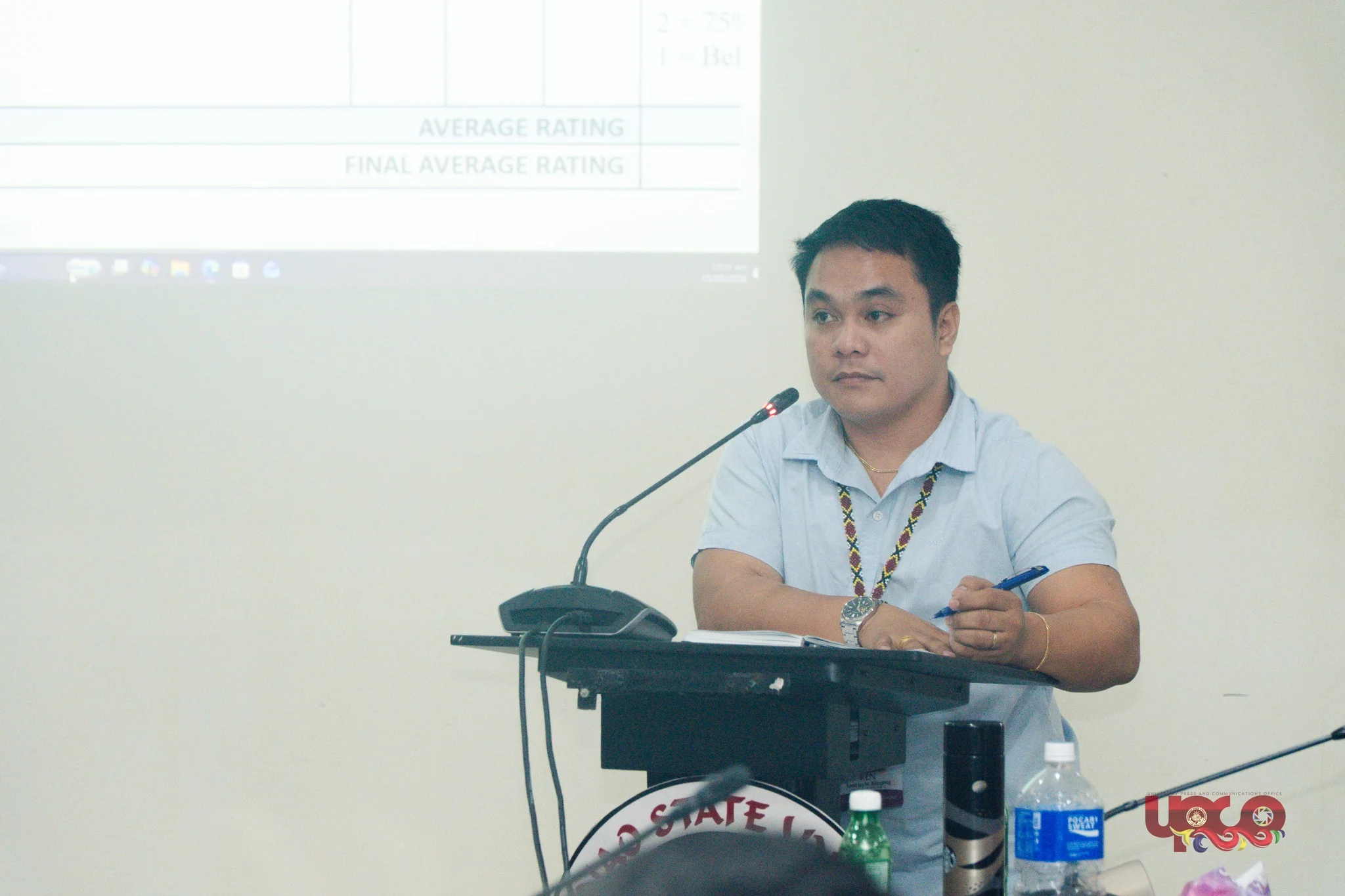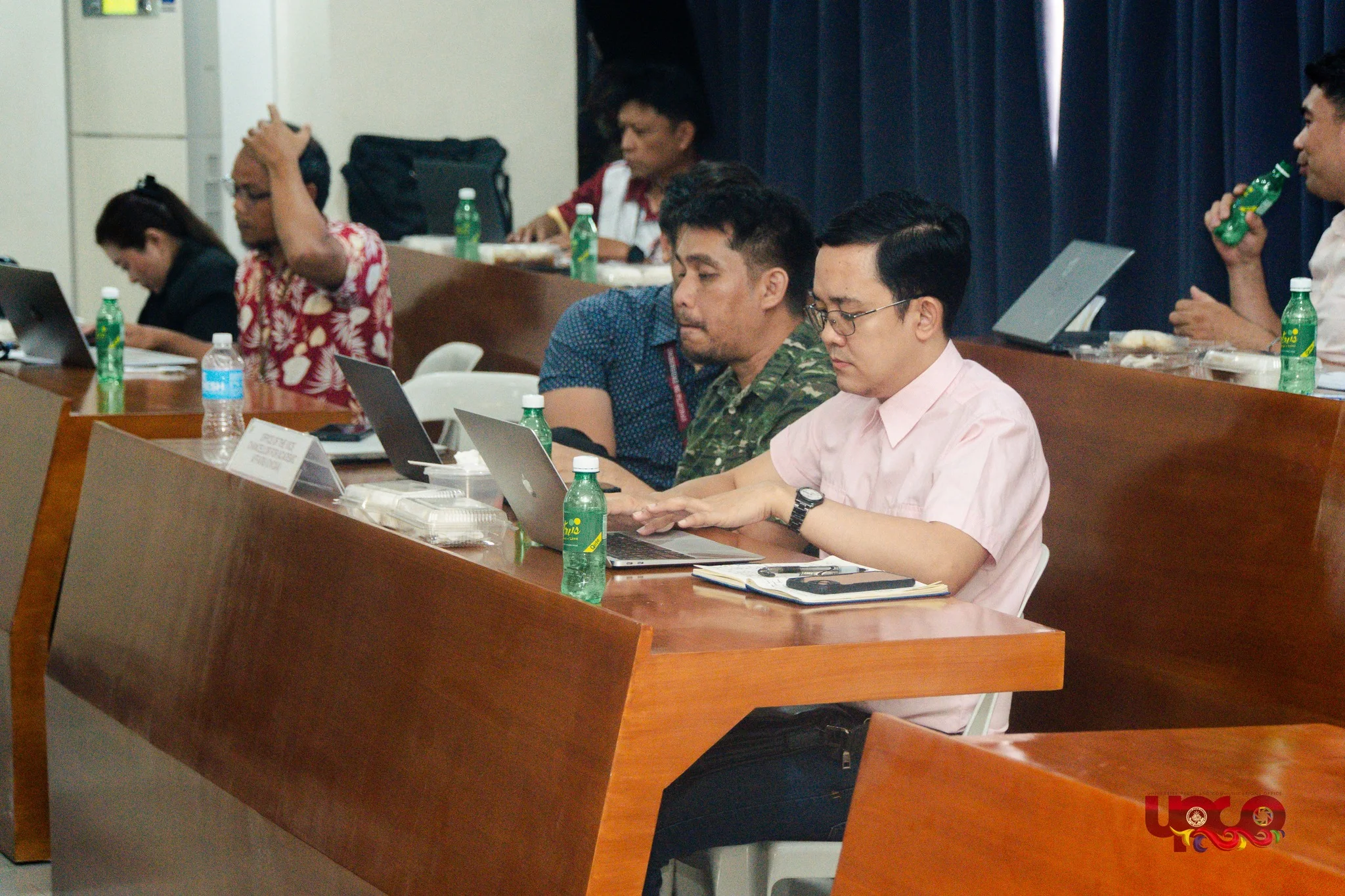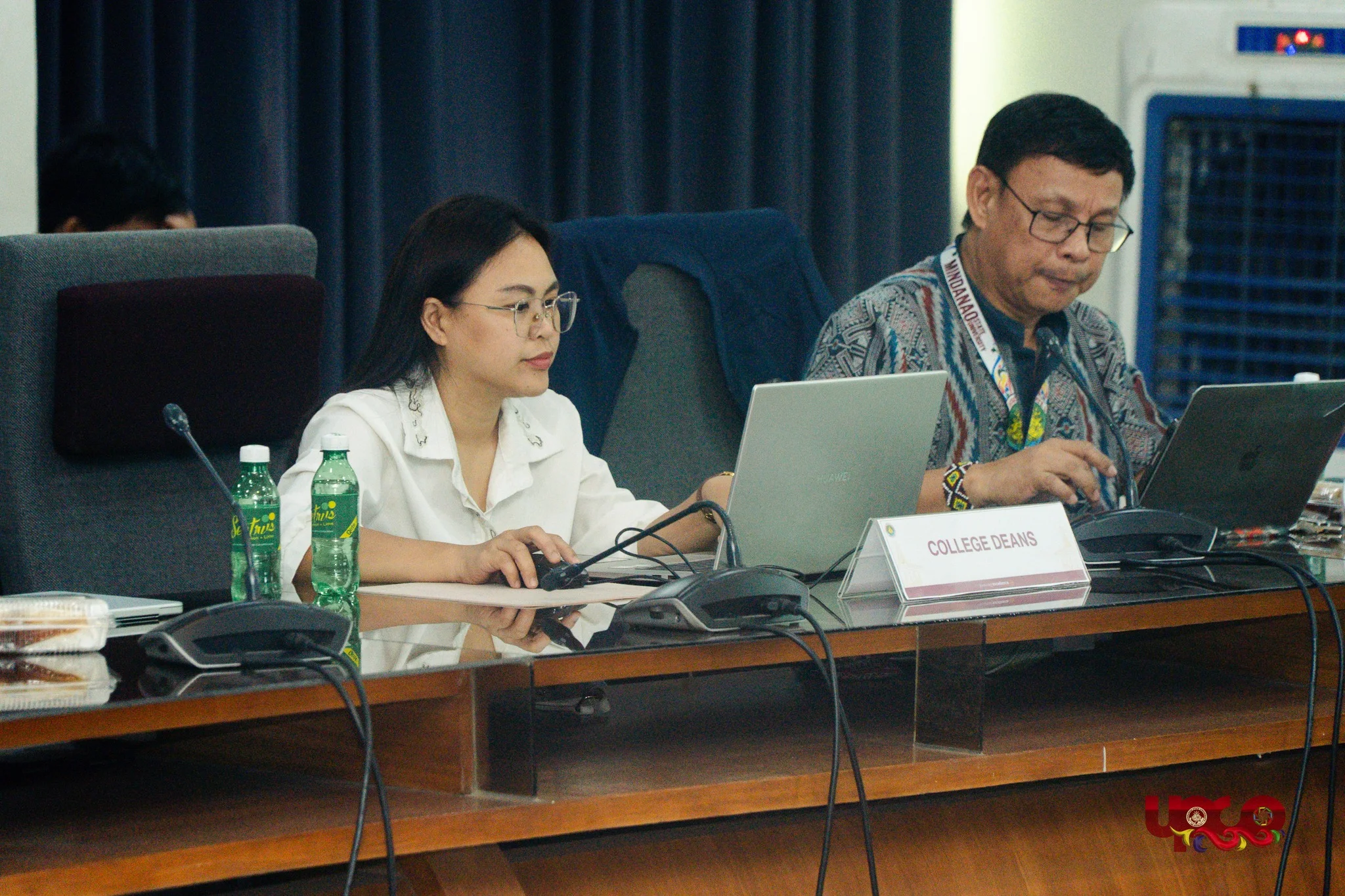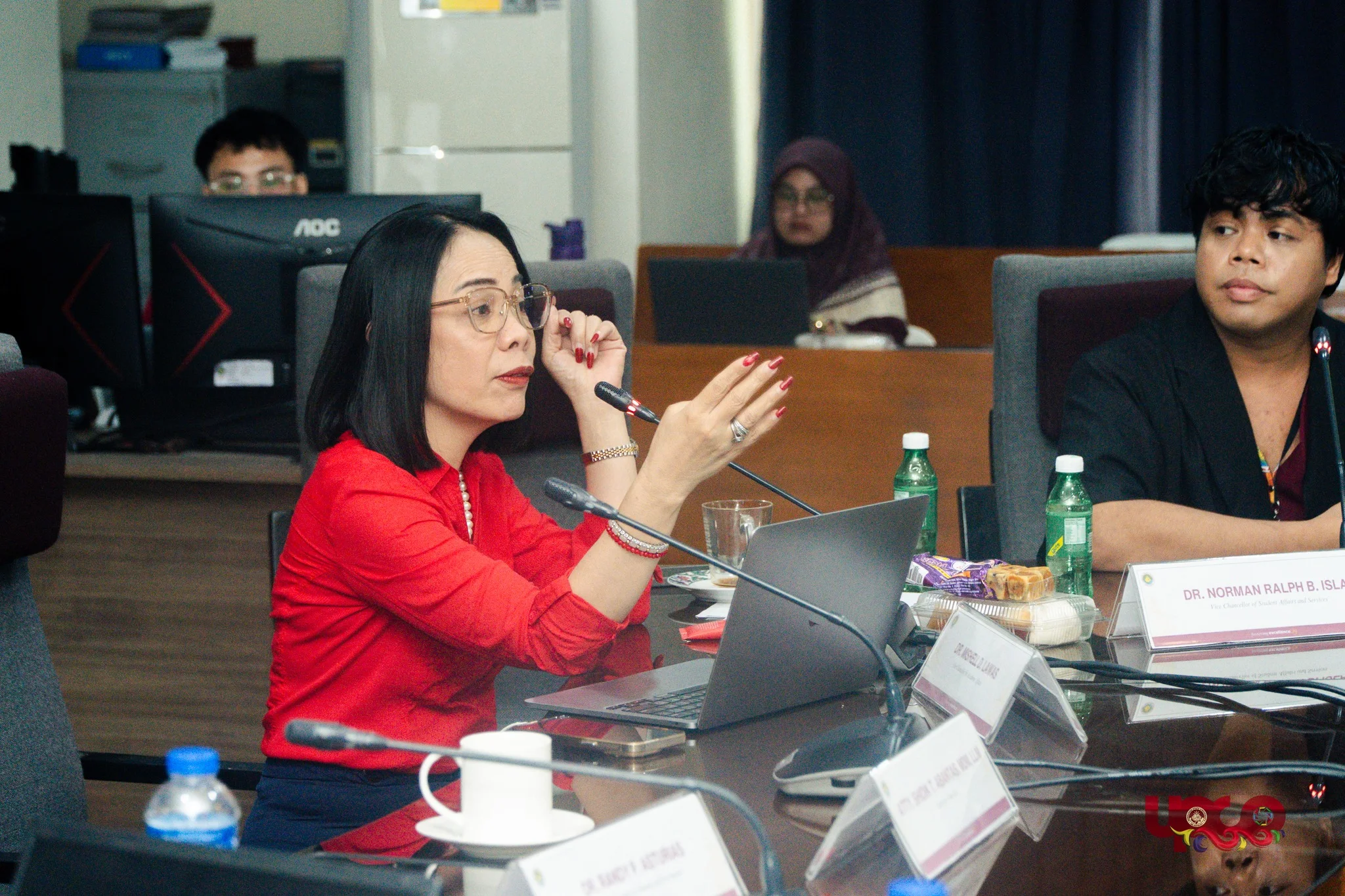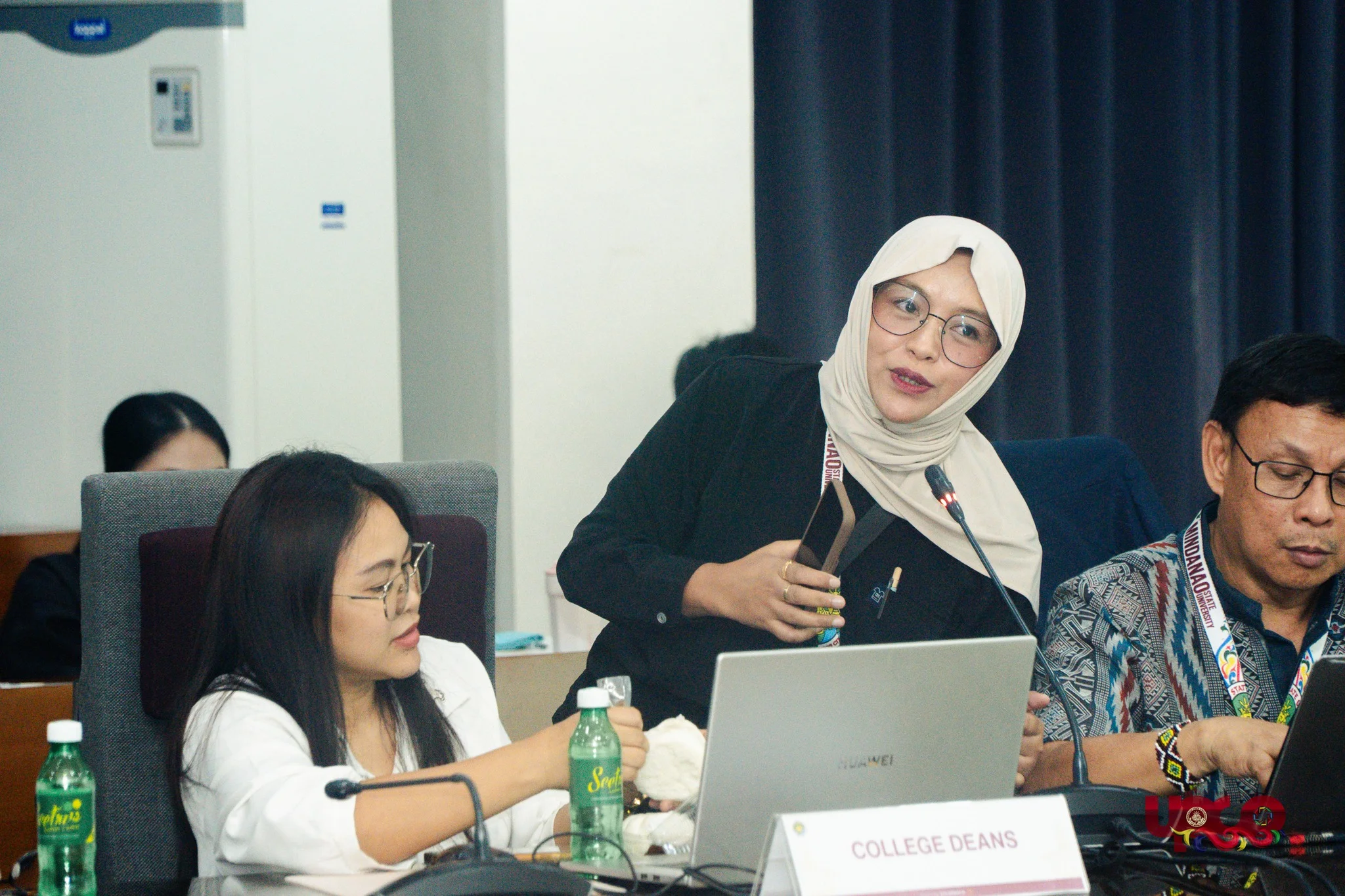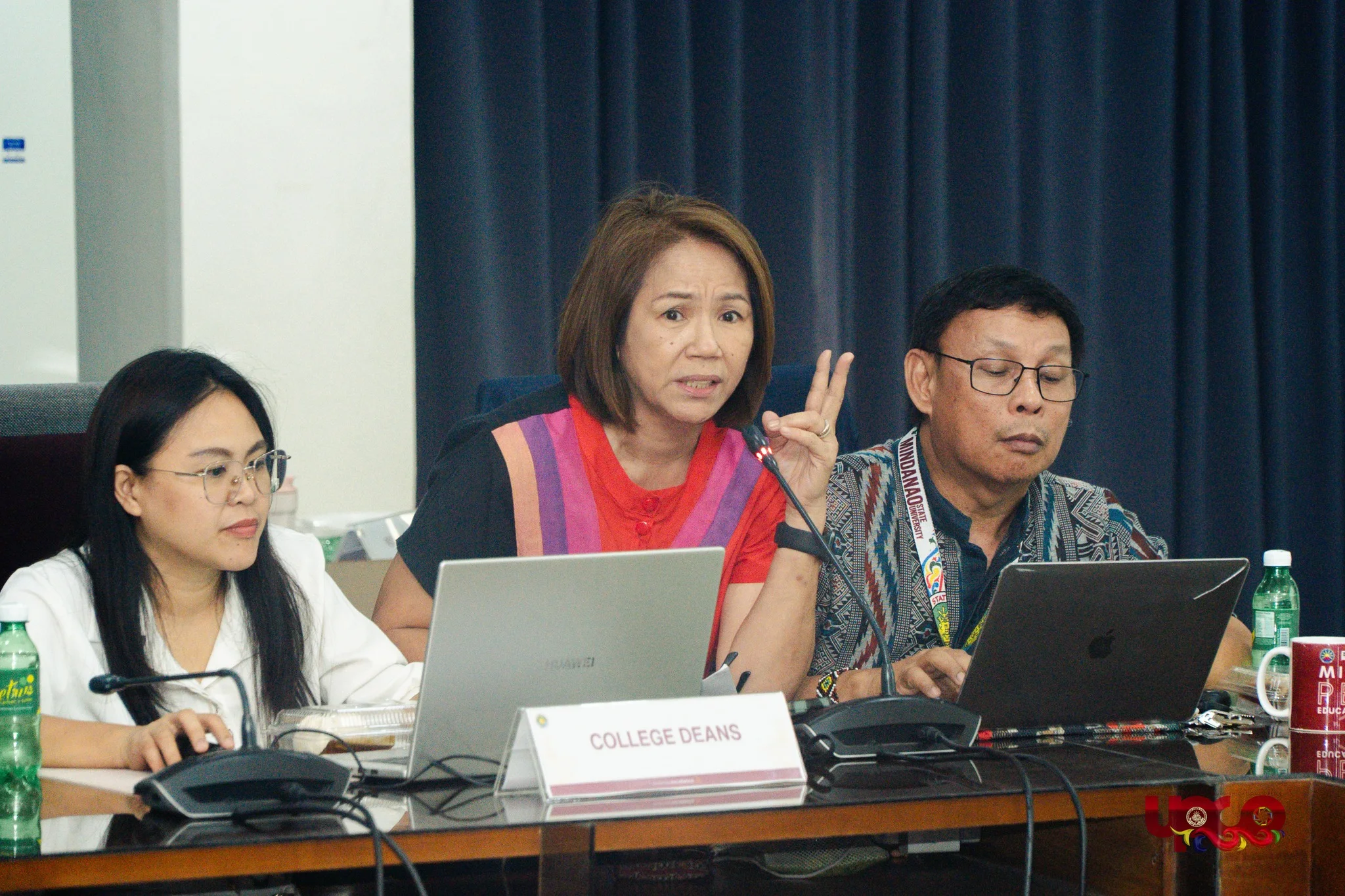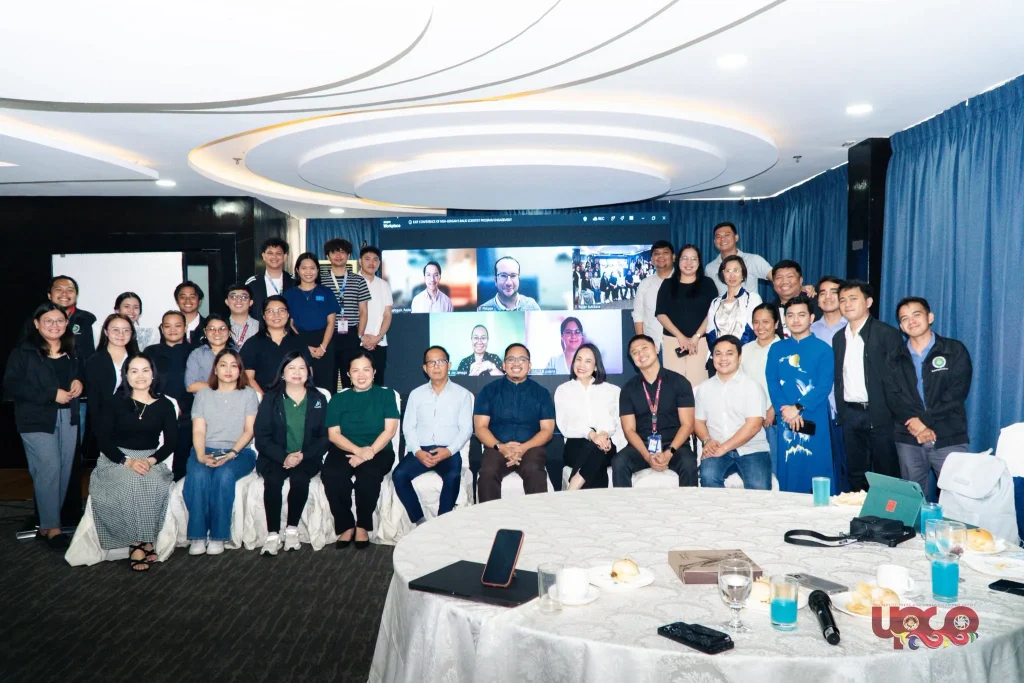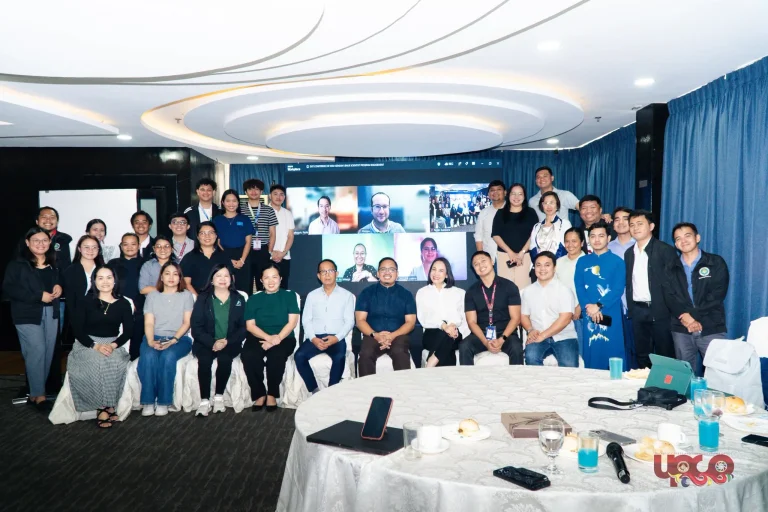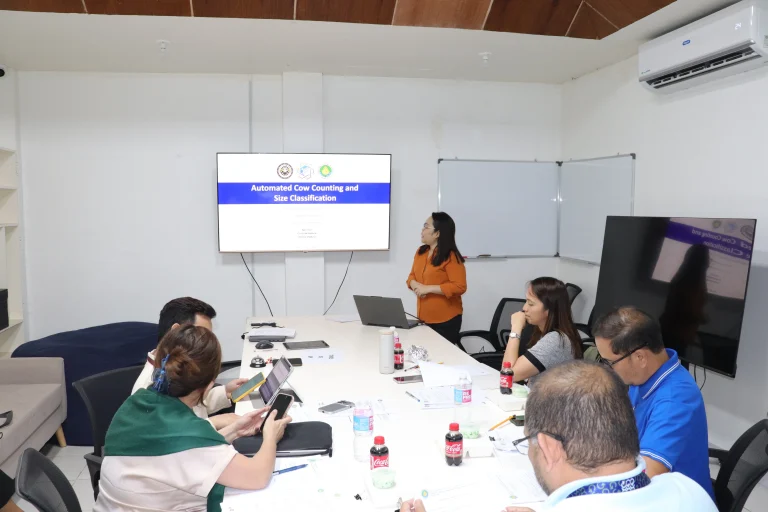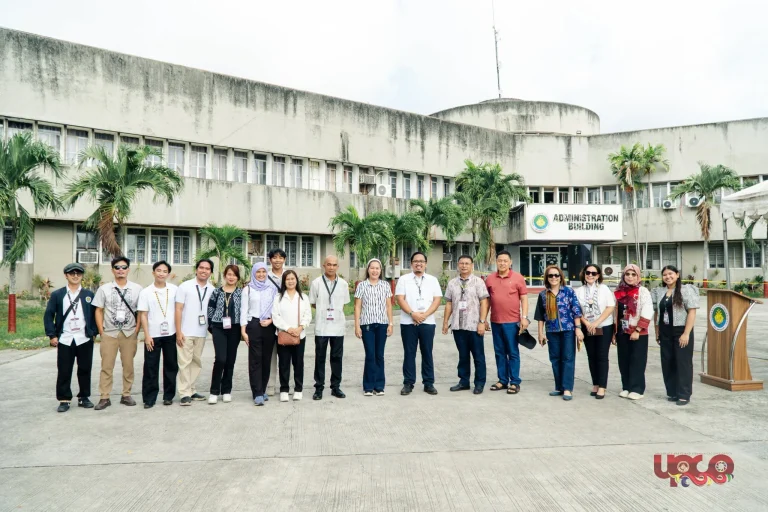






























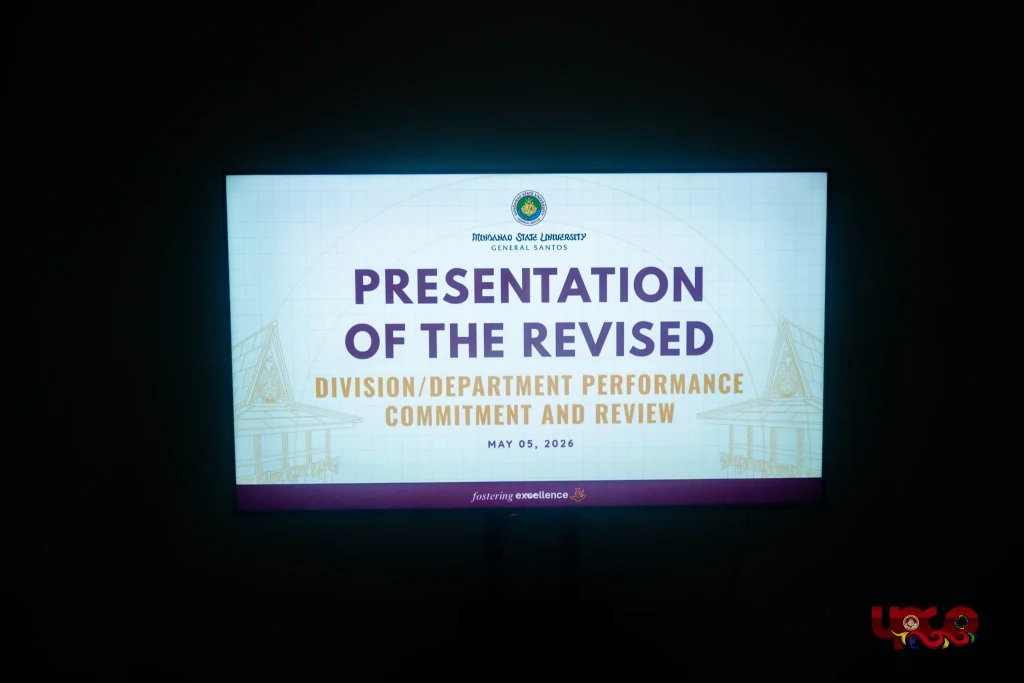
In line with its continuing commitment to institutional efficiency and quality management, Mindanao State University-General Santos conducted the Presentation of the Revised Department/Division Performance Commitment and Review (DPCR) on May 5, 2026, gathering university officials, deans, directors, and representatives from various offices for a comprehensive review of performance indicators and operational commitments.
The activity formally opened through the welcome remarks of Dr. Randy P. Asturias, Vice Chancellor for Planning and Development, who underscored the significance of the Strategic Performance Management System (SPMS) in aligning the efforts of university offices and personnel with the institution’s goals and strategic direction.
“SPMS plays a crucial role. It helps ensure that what each office and employees does is aligned with the goals of the institution,” he emphasized.
In his message, Chancellor Shidik T. Abantas highlighted the importance of establishing an effective and functional SPMS, emphasizing its role in strengthening personnel evaluation, management coordination, and operational efficiency across the university. “This is the best possible way to link the management down there when it comes to requests and deliverables that we want to see,” he stated.
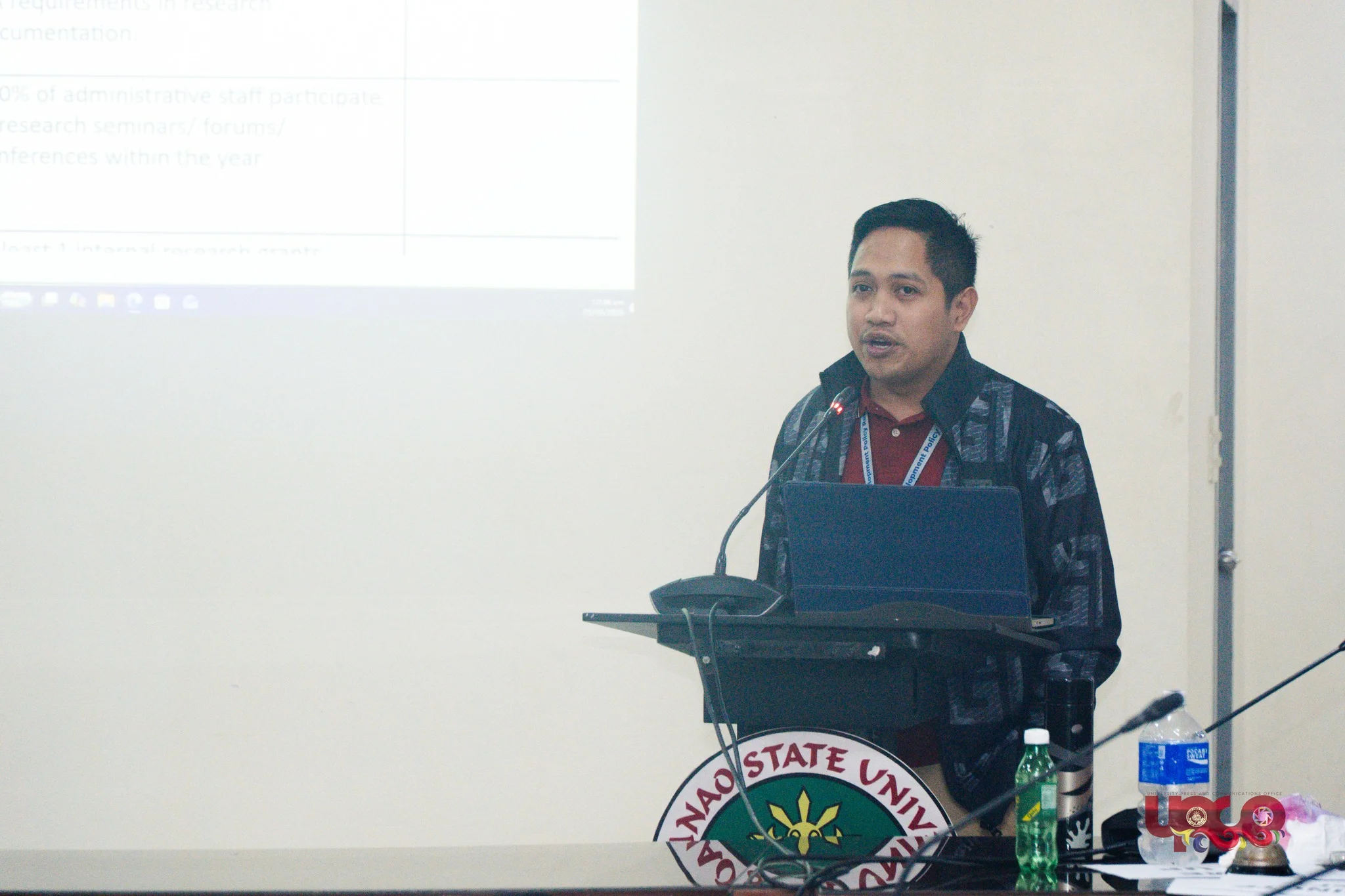
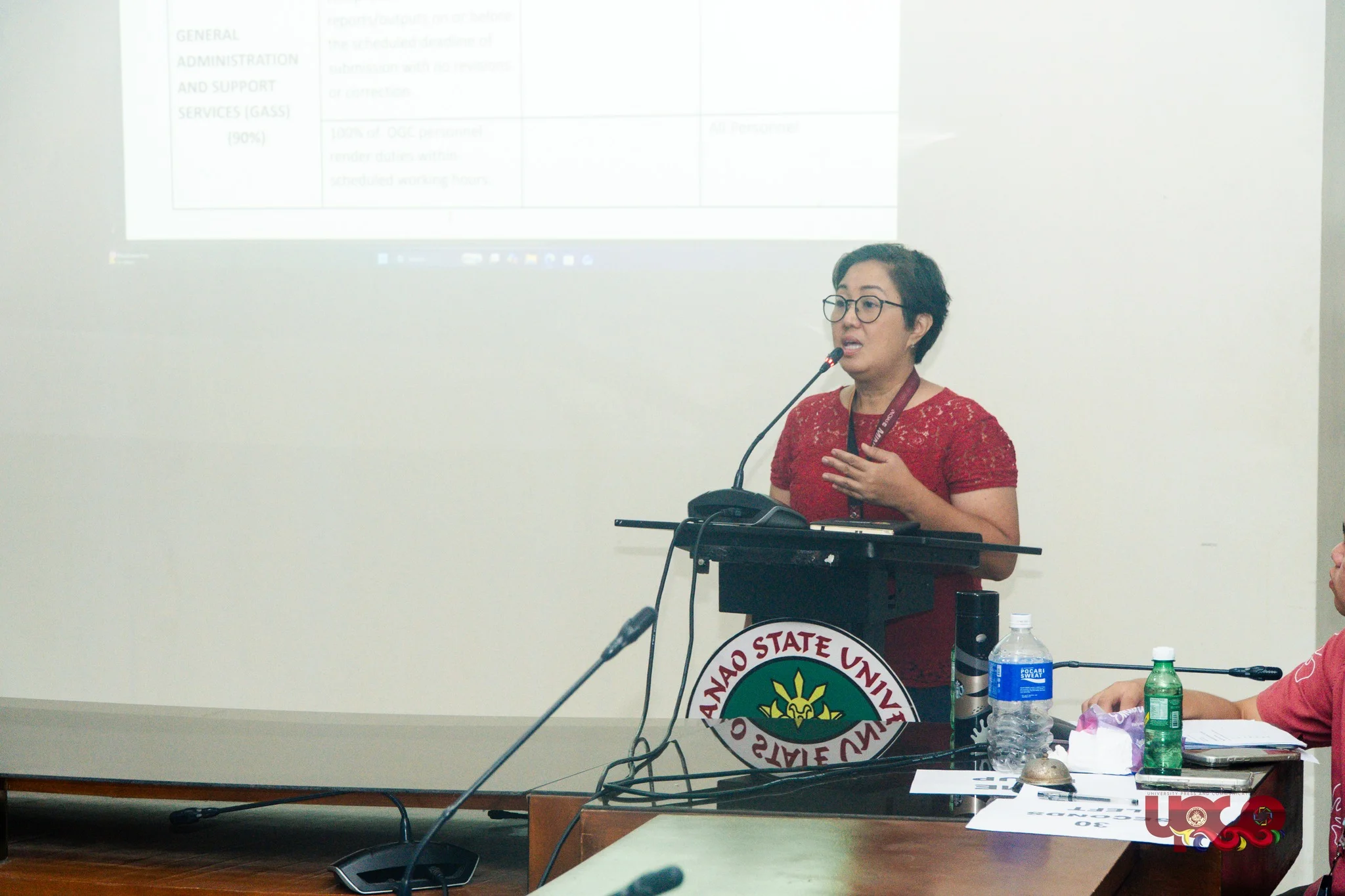
Following the Chancellor’s message, Prof. Jypzie M. Catedrilla, Director of Office Monitoring and and Evaluation, presented the additional provisions on the Department/Division Performance Commitment and Review (DPCR) and Individual Performance Commitment and Review (IPCR), discussing updated standards, policies, and evaluation measures aimed at further strengthening the implementation of the university’s performance management system.
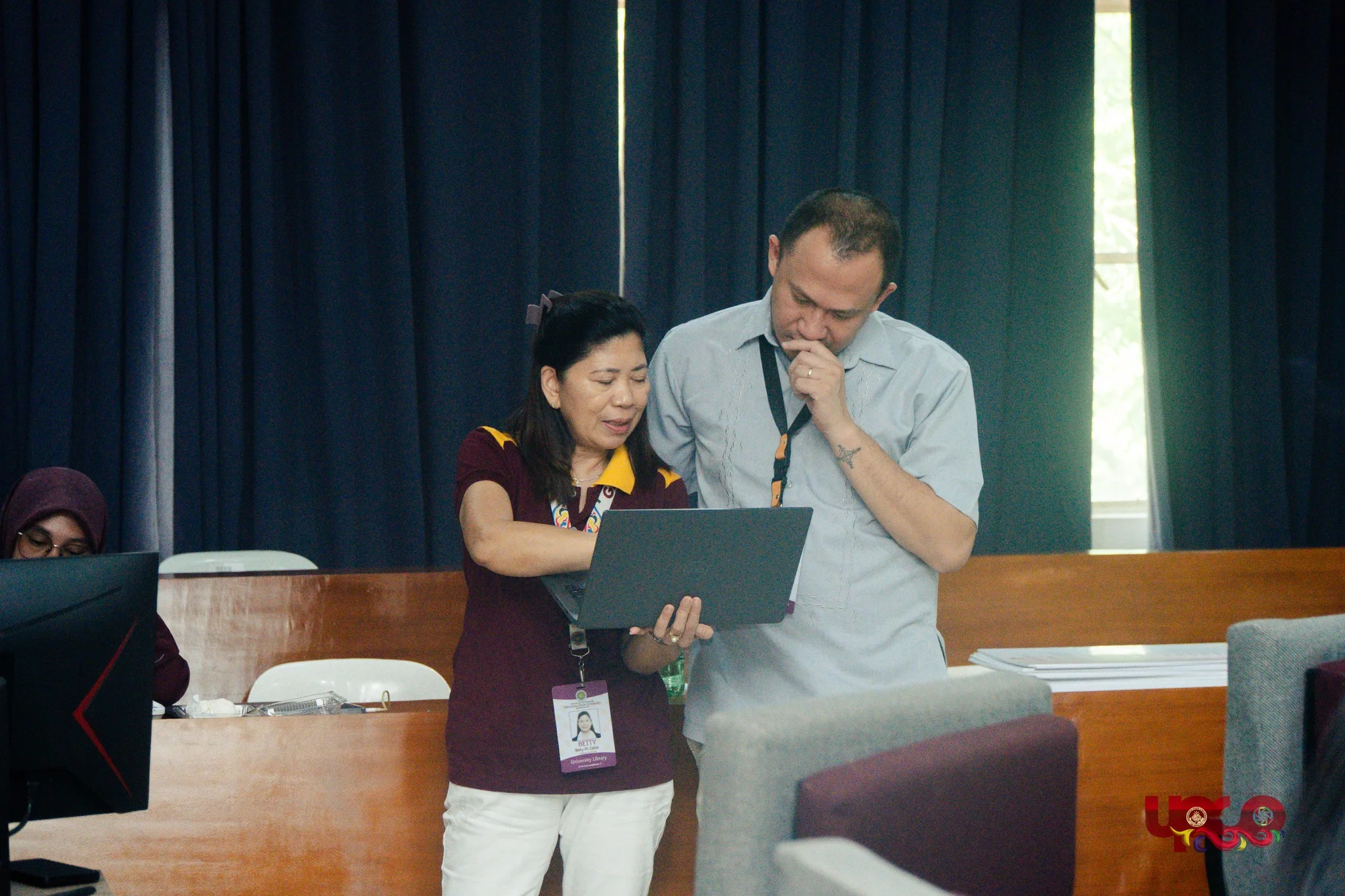
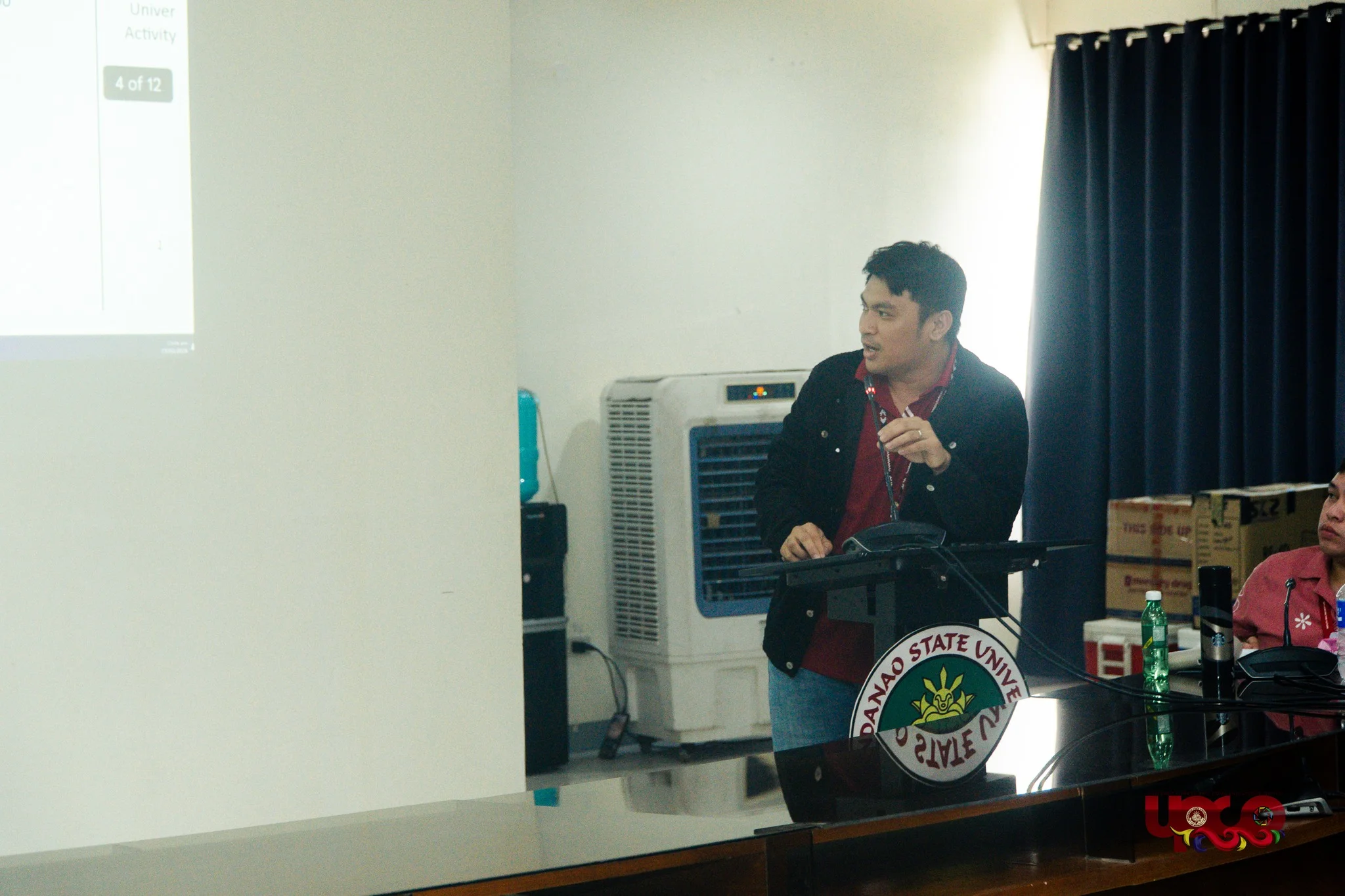
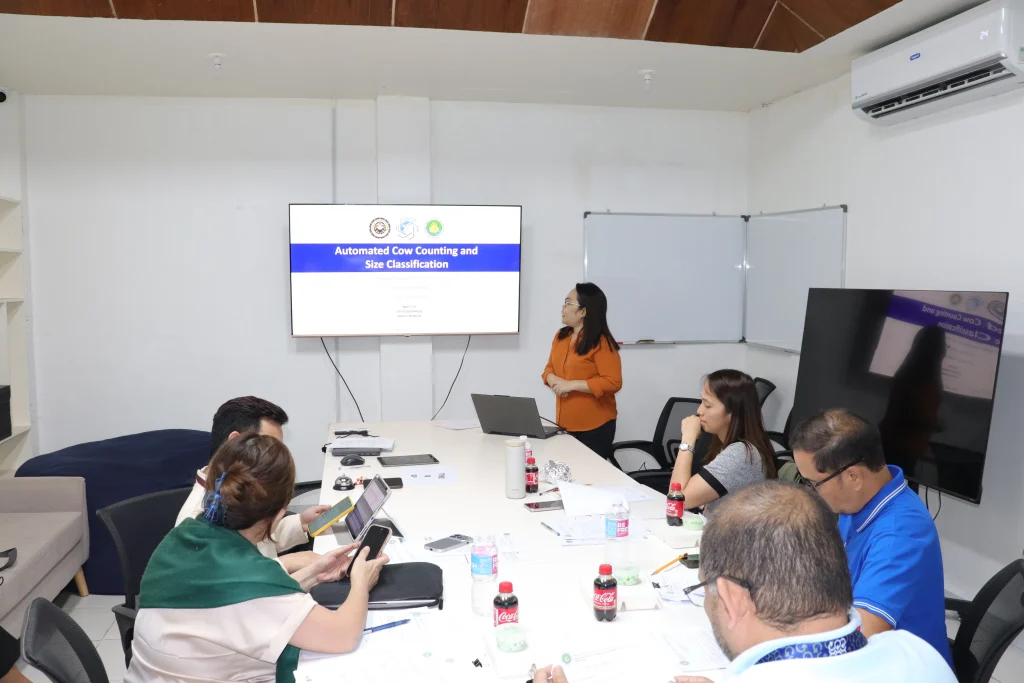
The program then proceeded with the presentation of Department/Division Performance Commitment and Review reports from the various offices of the university. Representatives presented their target deliverables, success indicators, commitments, and operational plans aligned with the university’s strategic objectives and quality assurance initiatives.
The afternoon session continued with the remaining DPCR presentations from various offices and colleges, focusing on operational efficiency, productivity, and improved service delivery across the institution.
The activity concluded with a renewed commitment among university offices to uphold accountability and excellence in public service that supports the university’s long-term goals and institutional development.